
Medical devices PLI scheme drives local output of MRI, CT scanners, heart valves: Centre
ET HealthWorld · 25 Sep 2026 · 1 min read
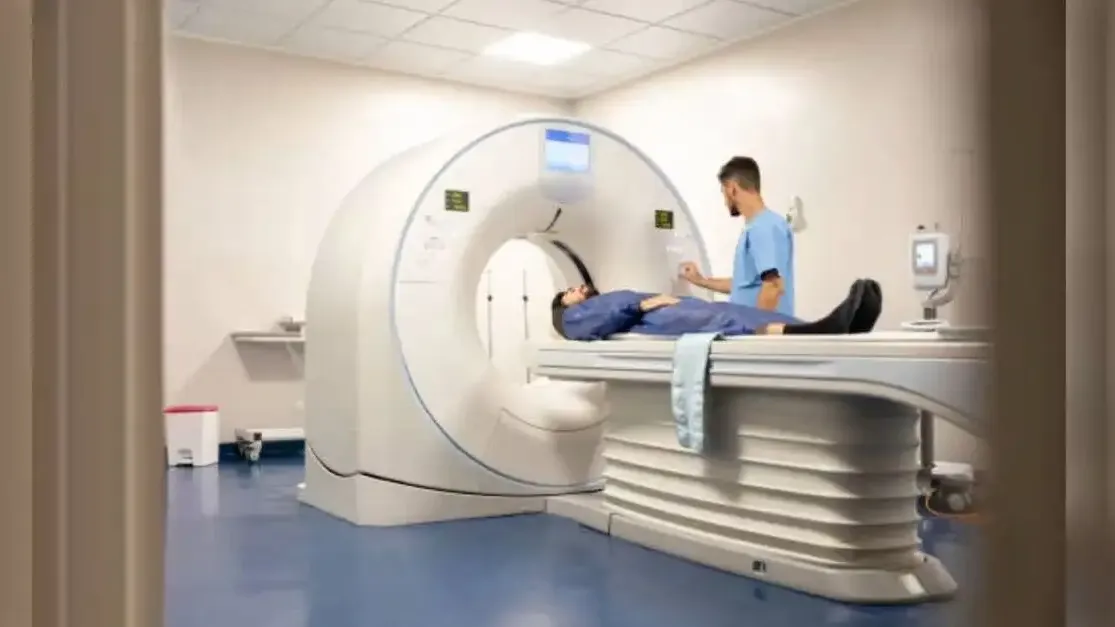
New Delhi: The Product Linked Incentive (PLI) scheme for medical devices has given a boost to local manufacturing of high-end medical technology devices, including MRI machines, CT Scanner and heart valves, the Department of Pharmaceuticals, Ministry of Chemicals and Fertilizers said.
According to the ministry, production of 57 medical devices commenced under the scheme that were earlier predominantly imported.
These include MRI machines, CT scanners, Cath Labs, Linear Accelerators, C-Arms, mammography machines, ultrasound systems, anaesthesia machines and heart valves.
The initiative has also attracted leading global manufacturers such as GE Healthcare, Siemens, Philips, Varex, Nipro and Omron and encouraged technology transfer and advanced manufacturing capabilities in India, the ministry added.
The PLI scheme with a total financial outlay of Rs 3,420 crore was launched in 2020 and provides a 5 per cent incentive on incremental sales of eligible medical devices manufactured in India for a period of five years.
It covers four broad segments, cancer care/radiotherapy medical devices; radiology and imaging devices; anaesthesia, cardio-respiratory and renal care devices; and implants, including implantable electronic devices, the ministry said.
Related articles
 India · The Hindu — Health · 21 hours ago
FDA sets up council for post-market review of vaccines, gene therapies
The FDA said the council is intended to improve accountability and transparency as biologic products grow increasingly complex, particularly in cell and gene therapy,…
Read full article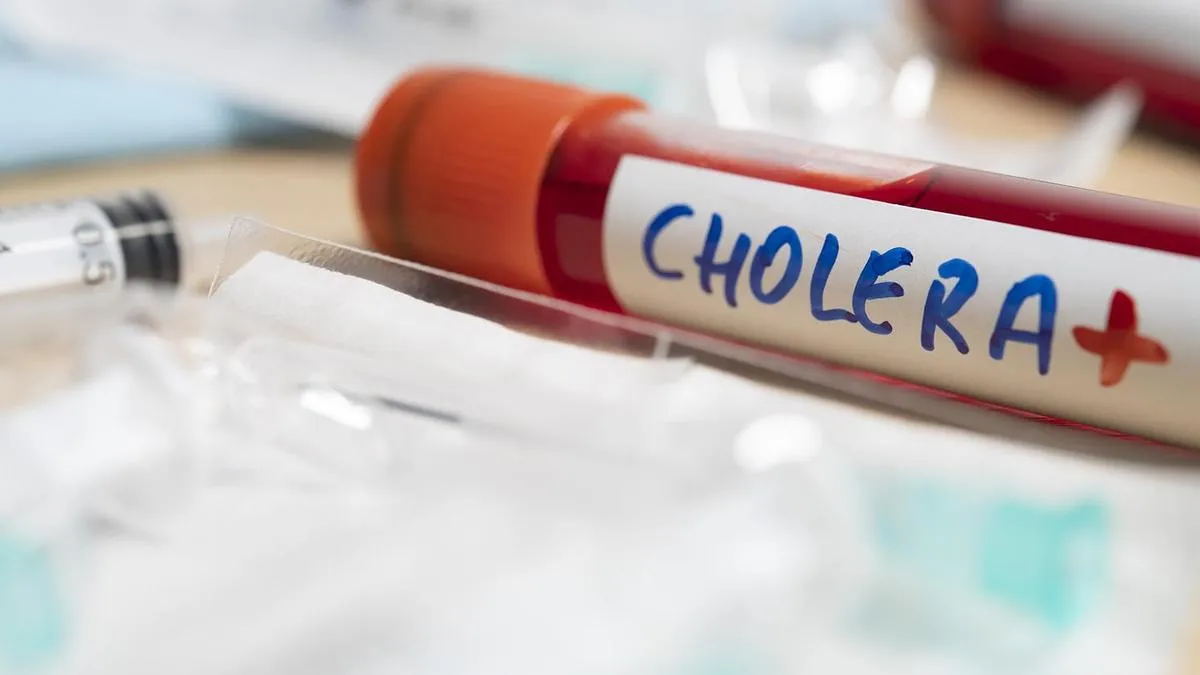 India · The Hindu — Health · 1 day ago
South Korea confirms first case of cholera in 10 years
It is the country's first case of cholera since 2016, when authorities identified three cases suspected to be caused by contaminated seafood. At least…
Read full article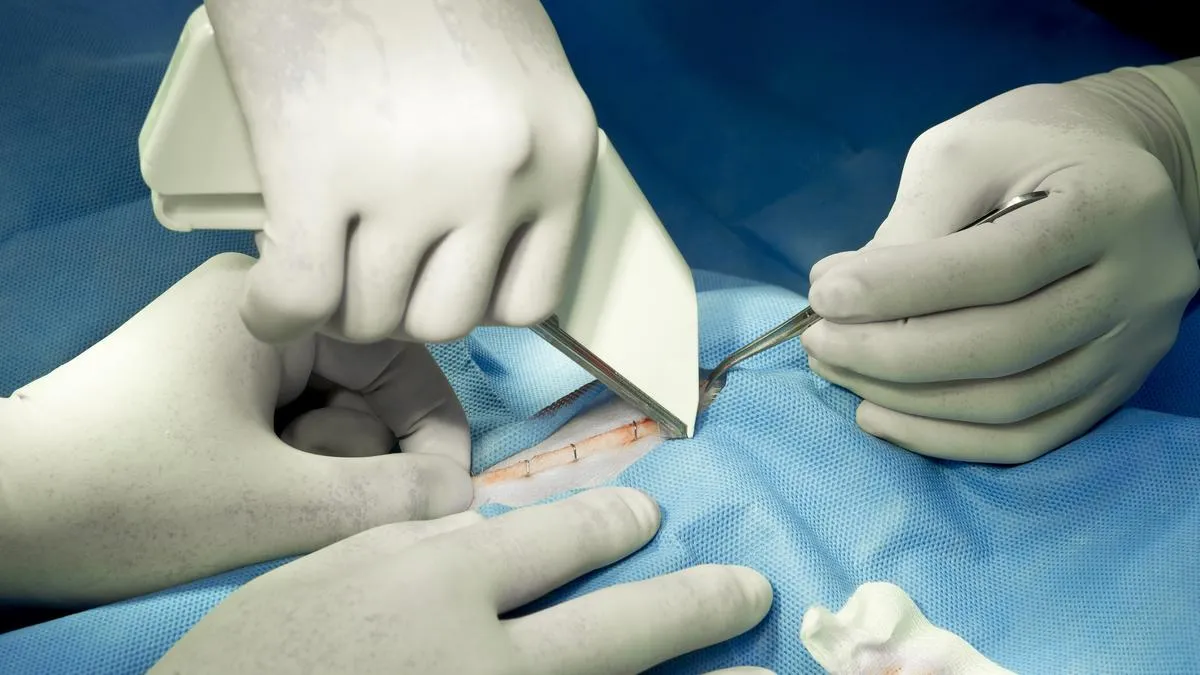 India · The Hindu — Health · 1 day ago
India’s health services has banned reuse of single-use medical devices. But who decides what’s safe?
Unsafe reuse can harm patients, and billing for a reused device as if it were new is indefensible. But there is a bigger question…
Read full article