
WHO endorses lifestyle changes over GLP-1 drugs in child obesity fight
ET HealthWorld · 7 Oct 2026 · 2 min read

Bengaluru: The World Health Organization on Wednesday recommended diet, exercise and counseling over popular weight-loss drugs in its first global guidelines addressing rising obesity among younger children.
According to UNICEF data, obesity has surpassed being underweight as the most common form of malnutrition in school children and adolescents worldwide.
The health agency said weight-loss drugs may be considered for adolescents aged 10 to 19 with obesity but only after supervised interventions have failed.
Bariatric surgery could be considered for physically and mentally mature adolescents with severe obesity after six months of unsuccessful treatment, it said.
For children under 10, WHO endorsed diet, physical activity and combined behavioral support instead of obesity medication, surgery or devices because of doubts over their safety and long-term effectiveness.
Luz Maria De Regil, director of the Department of Nutrition and Food Safety, said there is currently insufficient evidence on GLP-1 drugs, though researchers are monitoring efficacy and safety trials and may revise that assessment as more data emerges."The foundation of obesity care for children and adolescents is not medicine or surgery, but access to comprehensive support that enables healthy eating, physical activity and sustainable behaviour change," De Regil said.
Some GLP-1 medicines are already approved for weight-loss in younger patients.
Novo Nordisk's Wegovy and Saxenda can be used by certain adolescents 12 and older in the United States and the European Union.
The EU also allows Saxenda for some children aged six to 11.
For children and adolescents with obesity, WHO strongly suggested tailored diets, physical activity and behavioral programs involving caregivers, with supervised digital support cited as optional.
Healthy diets and physical activity must also be accessible and affordable because treatment alone cannot halt rising obesity, WHO said.
About 400 million people aged 5 to 19 were overweight in 2024, including 170 million living with obesity, WHO said.
Obesity prevalence in the group has quadrupled since 1990.
Related articles
 India · The Hindu — Health · 12 hours ago
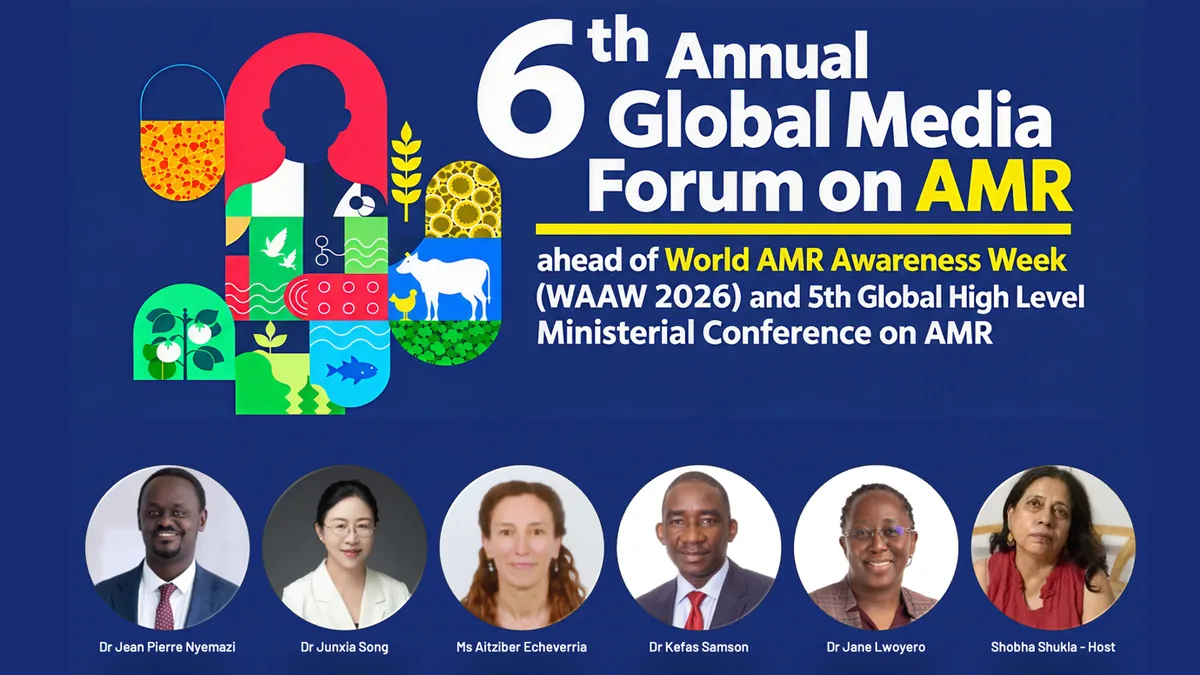
Experts call for coordinated action across sectors to tackle antimicrobial resistance
Ahead of World AMR Awareness Week, global health experts stress the need for stronger surveillance, prevention, sustainable financing and a One Health approach to…
Read full article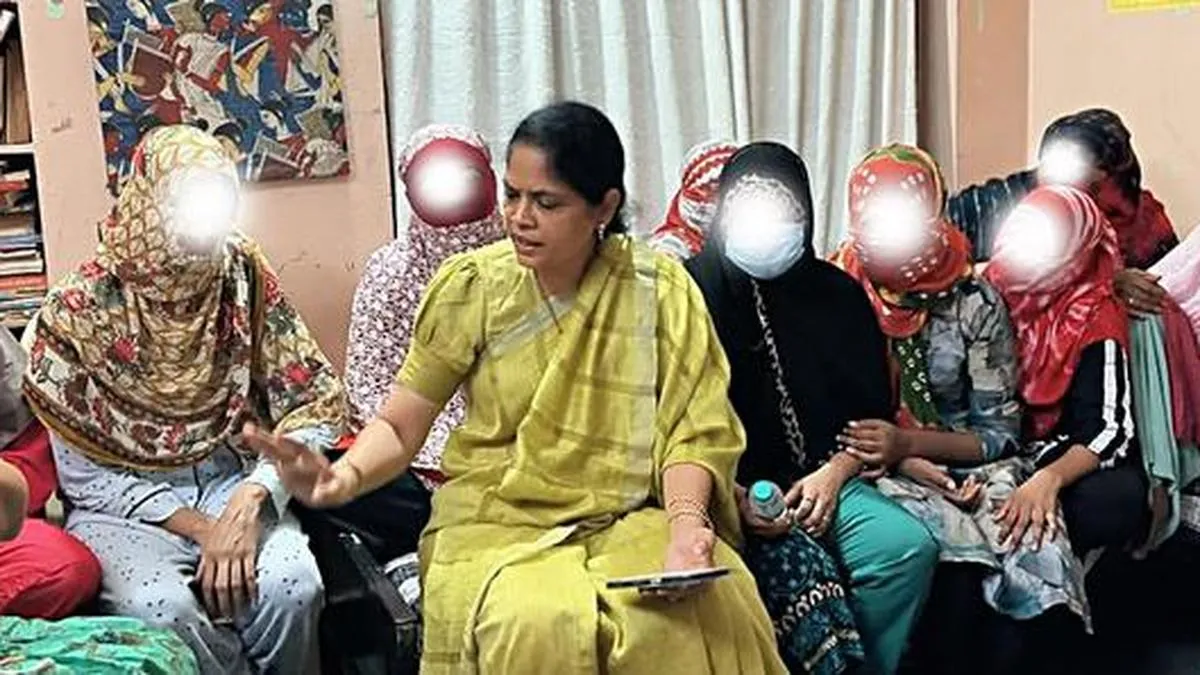 India · The Hindu — Health · 12 hours ago
Telangana Women’s Commission issues notices to eight ART centres in illegal oocyte racket case
Read full article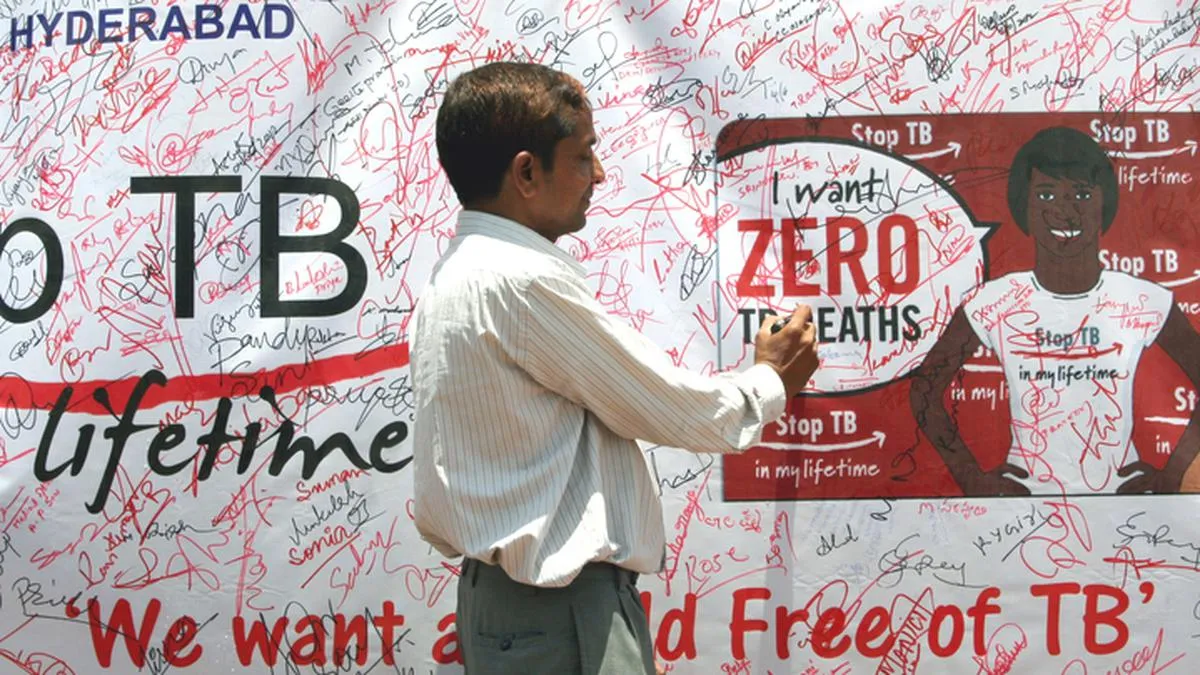 India · The Hindu — Health · 13 hours ago
As external funding to combat TB falls, domestic spending accounts for 86%: WHO report
TB cases remain one of the leading causes of death from a single infectious agent, with a quarter of all cases concentrated in India…
Read full article