
Malaria infections worrying public health experts in Keralam
The Hindu — Health · 8 Oct 2026 · 2 min read
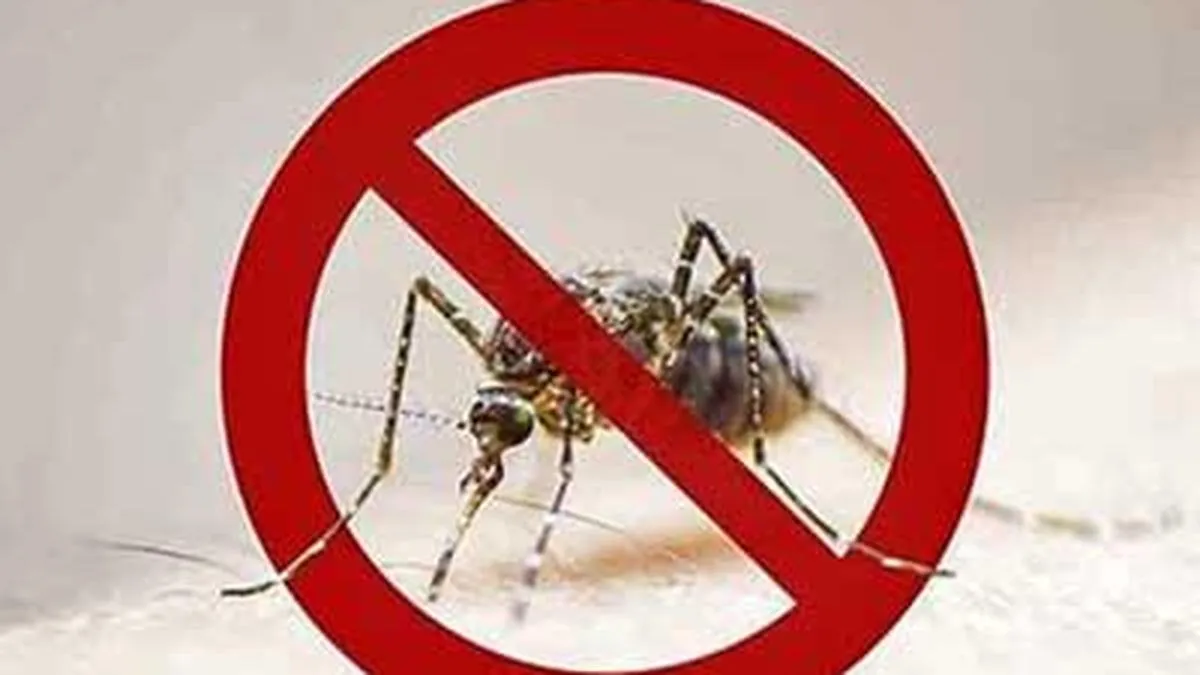
The increased instances of indigenous and imported cases of malaria over the past five years have left the health authorities a worried lot.
Imported malaria is acquired outside Keralam, while indigenous malaria is acquired through local transmission, when a local mosquito picks up the parasite from an infected person and transmits it to another person.
Going by the Health department statistics, as of October 5, four confirmed indigenous cases were reported in 2026, and 974 imported cases.
One death due to indigenous malaria and six deaths due to imported cases have been reported this year. Last year, no deaths due to indigenous cases were reported, while two deaths occurred due to imported cases.
The number of cases began to rise after 2021, when 252 imported and one indigenous death case were reported. The highest number of indigenous cases was reported from Malappuram, Kozhikode, and Kannur. Kollam, which earlier showed a high incidence of these cases, is in a recovery phase.
Health officials attribute the abundance of mosquitoes and the frequent influx of travellers to the increase in the number of infections.
“Over the past several years, the number of imported malaria cases has increased substantially. We need to strengthen surveillance measures, screening of migrants for the disease and ensuring intensive screening and testing for the disease in asymptomatic fever cases,” said the official.
The Health department plans to introduce insecticide-treated bed nets, which will kill mosquitoes on contact, in houses in regions where indigenous cases are reported. Steps are being taken to intensify malaria prevention activities to prevent the development of malaria-endemic regions in the State,” said the official.
“The increasing number of malaria cases in the past few years is a concern,” said. T.S. Anish, associate professor, School of Public Health, Kerala University of Health Sciences, Thiruvananthapuram.
“The consistent efforts by the Health department back in the 1960s succeeded in freeing the State from malaria. However, with increased travel and the influx of the migrant population from disease-endemic regions, malaria cases are getting reported. The delay in timely detection and intervention measures will contribute to the rise of indigenous cases. The local conditions are ideal to facilitate the spread of the disease,” Dr. Anish warned.
Climate change
He further added that climate change can also emerge as a key concern.
He warned that malaria could spread to hitherto unreported regions due to climate change-induced developments. “The climate in Keralam and the frequent movement of domestic workers are favourable to the spread of the disease,” he said.
Related articles
 India · The Hindu — Health · 8 hours ago
Amid row, Keralam’s UDF govt says cost of generic SMA drug can be cut further
Health Minister K. Muraleedharan tells Assembly that UDF government’s aim, eventually, is to offer medicines free of cost to all SMA patients. LDF Opposition…
Read full article India · The Hindu — Health · 11 hours ago
Keralam plans Bill to regulate high treatment costs in private hospitals
Health Minister K. Muraleedharan tells Assembly that govt to introduce Bill in next session, says govt agrees in principle to the need to regulate…
Read full article India · The Hindu — Health · 11 hours ago
India needs to train its clinical staff before erecting data shields
User data is routinely commoditised today, and passing a law assuming compliance and waiting for complaints or litigation will not suffice. As the DPDP…
Read full article