
Health ministry asked to examine coronary stent safety concerns
ET HealthWorld · 15 Oct 2026 · 2 min read
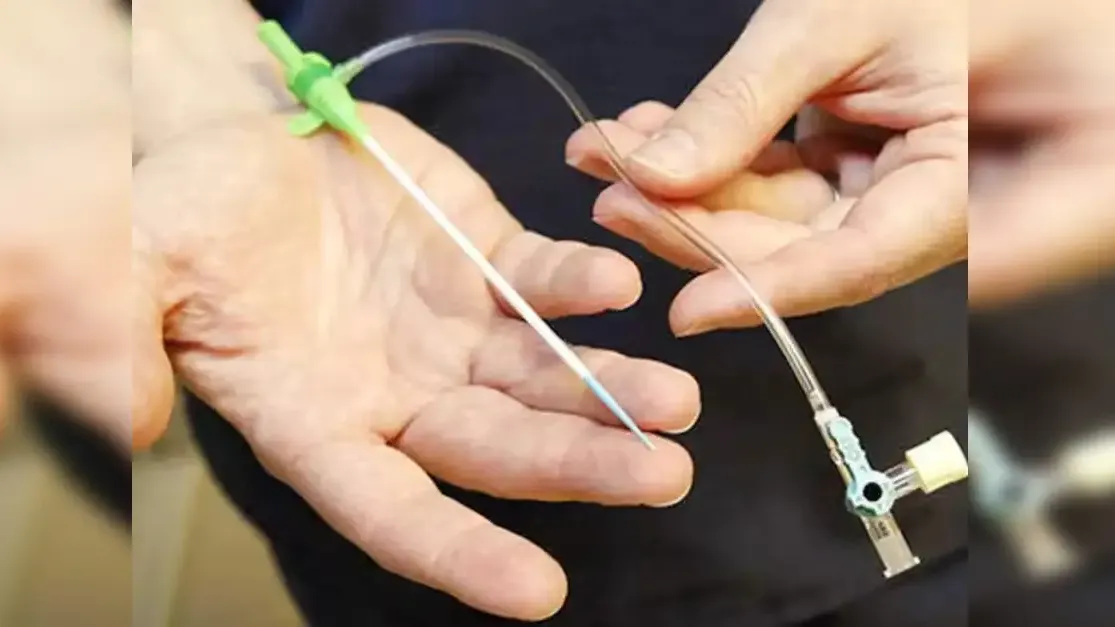
New Delhi: The cabinet secretariat asked the Union health ministry to take action on concerns over the safety and quality of coronary stents, after a Parliament member sought its intervention.
In a representation to the cabinet secretariat, Rajya Sabha member Ajeet Madhavrao Gopchade, a medical doctor, flagged safety concerns involving three models of India-made, drug-eluting coronary stents that were reportedly withdrawn in Sri Lanka following quality issues.
In his representation, the MP referred to media reports of Sri Lanka's medical device regulator directing the withdrawal of the three stent models due to concerns over improper positioning, stent dislodgement, acute stent thrombosis and failure to expand properly.
The concerns were identified during an investigation by the medical device evaluation committee, according to the reports."These reports highlight certain patient-safety issues that India needs to examine carefully and address proactively," he said in his September 29 representation, a copy of which ET has seen.
The cabinet secretariat's direction to the health ministry came on October 5.
The MP urged the government to examine whether India's existing regulatory framework for coronary stents required further strengthening, emphasising the need for appropriate clinical decision-making, rigorous device testing and effective monitoring of complications after implantation.
Mechanism NeededHe called for better clinical documentation to ensure that stents are used only when medically indicated and that alternative treatments are considered wherever appropriate.
The MP also proposed robust batch and serial-number traceability for every implanted stent, alongside stronger post-market surveillance and adverse-event reporting.
He urged the government to put in place a mechanism for promptly reviewing safety alerts, recalls and withdrawals issued by foreign regulators when the same or similar devices are marketed or used in India.
The representation highlighted the need for appropriate patient follow-up and long-term safety data to identify potential device-related problems at an early stage.
Related articles
 India · The Hindu — Health · 8 hours ago
Chennai sees dozens of cracker-related eye injuries; doctors call for caution
The Regional Institute of Ophthalmology and Government Ophthalmic Hospital received around 50 cases, with about 10 cases having to be admitted, a senior official…
Read full article India · The Hindu — Health · 11 hours ago
Deepavali pollution spike: How does it affect lung function and respiratory health? | Explained
Firecracker smoke releases fine particles and harmful gases that irritate the airways and affect lung health. Experts explain the short- and long-term effects of…
Read full article India · The Hindu — Health · 12 hours ago
Cyber bullying affects one in ten students worldwide; AI fuels new threat: UNESCO
The United Nations agency has called upon countries to invest in digital safety measures, teacher preparation, and mental health support for students, in coordination…
Read full article