
Anthrax infection kills female elephant in Coimbatore forest; carcass burnt
The Hindu — Health · 16 Oct 2026 · 2 min read
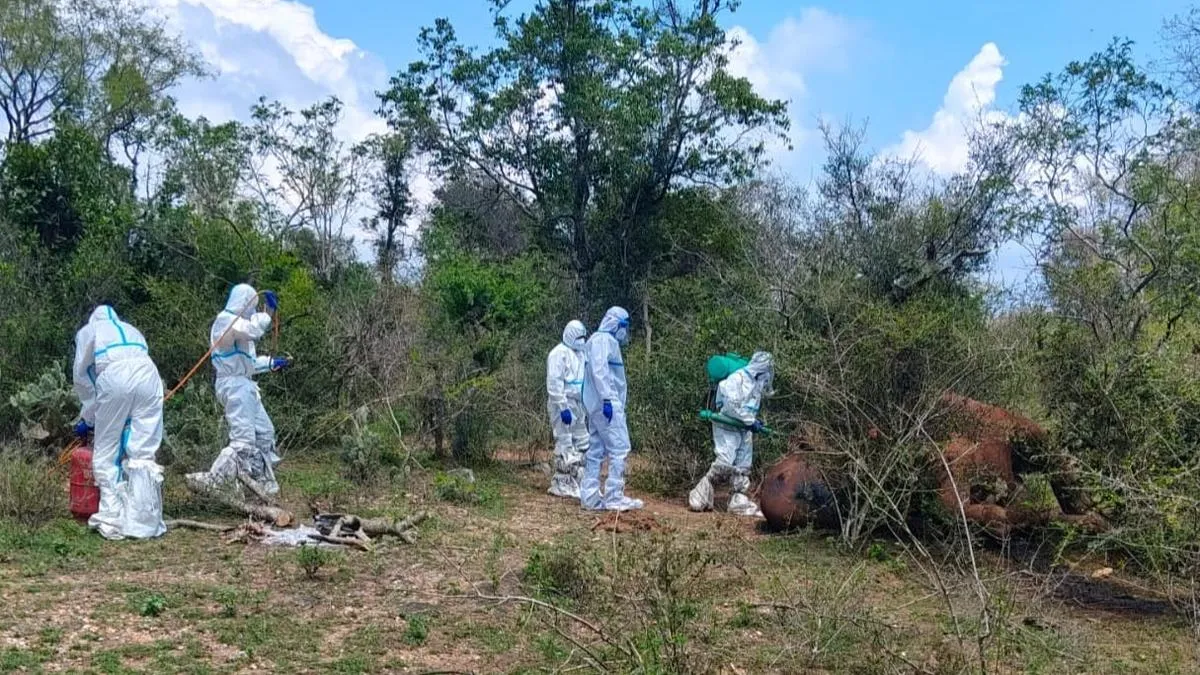
Anthrax infection kills female elephant in Coimbatore forest; carcass burnt left Forest Department staff spotted the carcass during a routine patrol within the Gopanari reserve forest of the Periyanaickenpalayam range around 4 p.m. on October 13 Special Arrangement https://th-i.thgim.com/public/news/national/tamil-nadu/vuid9q/article71591288.ece/alternates/FREE_1200/WhatsApp%20Image%202026-10-16%20at%2011.12.05.jpeg Forest staff came across the carcass during a routine patrol within the Gopanari reserve forest on October 13; after a blood smear sample tested positive for anthrax, the carcass was burnt COIMBATORE A female elephant died of anthrax in Periyanaickenpalayam forest range of the Coimbatore Forest Division, forcing the Forest and the Animal Husbandry Departments to step up vigil against the disease.
Forest Department staff spotted the carcass during a routine patrol within the Gopanari reserve forest of the Periyanaickenpalayam range around 4 p.m. on October 13.
According to the department, the carcass appeared to be about a day old.
After reviewing the photographs of the carcass, veterinarians raised suspicion of a possible anthrax infection. Wild elephant dies of anthrax Wild elephant dies of anthrax The carcass was spotted in a reserve forest near Anaikatti story Wild elephant dies of anthrax Blood smear sample collected from the carcass was sent to the Animal Husbandry Department on Wednesday.
The department examined the sample and confirmed the presence of Bacillus anthracis, the bacterium that causes anthrax.
A senior official from the Forest Department said that the carcass was burnt on Thursday, without opening it, as per the protocol based on instructions from the Animal Husbandry Department.
Persons who handled the carcass wore personal protective equipment while carrying out the task.
Related articles
 India · The Hindu — Health · 20 hours ago
Webinar on modern-day tips for posture to be held on October 25
The webinar will explore how daily habits, workplace ergonomics and physical inactivity affect the spine, and discuss practical ways to prevent and manage common…
Read full article India · The Hindu — Health · 23 hours ago
Shamonda virus, the livestock pathogen detected in human for the first time | Explained
The virus, which mainly affects livestock, has been detected in humans for the first time, prompting investigations into its potential public health implications
Read full article India · The Hindu — Health · 1 day ago
Inadequate sleep increases the risk of fatty liver disease
With every one-hour decrease in sleep time from the recommended seven-eight hours, the risk of fat deposition in the liver increased by 24%
Read full article