
FSSAI asks food operators to maintain cold chain for perishables
The Hindu — Health · 20 Oct 2026 · 3 min read
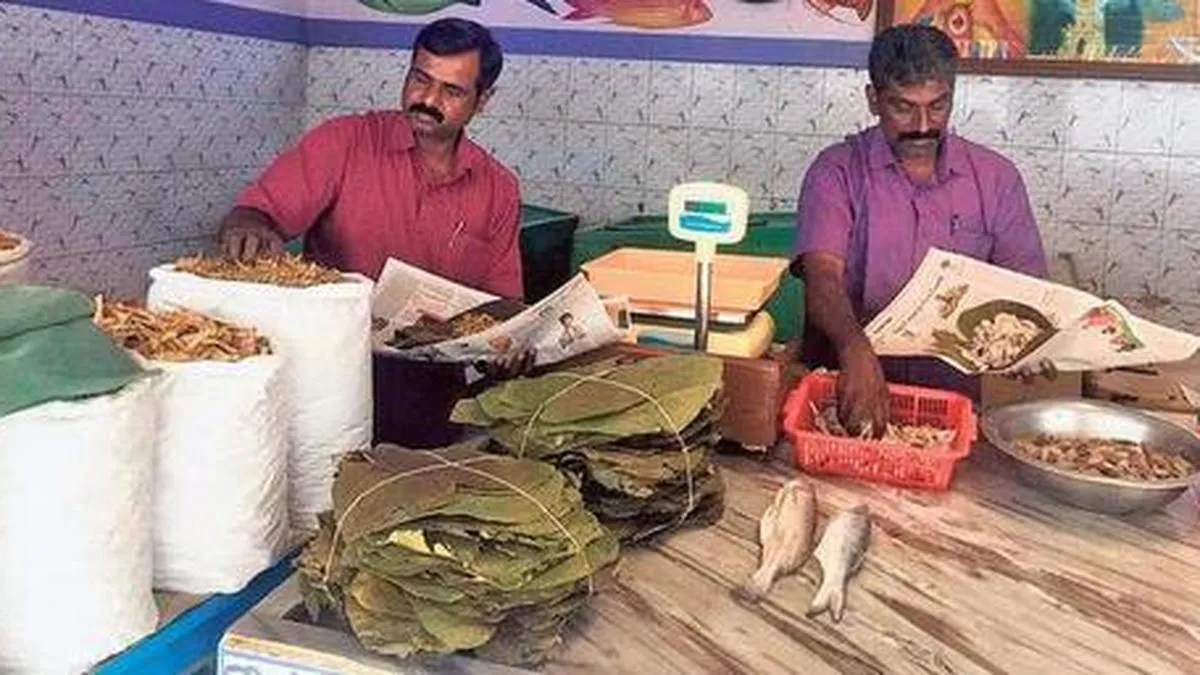
FSSAI asks food operators to maintain cold chain for perishables left Perishable foods like khoa, paneer, meat, and fish should be transported under controlled temperatures, FSSAI ordered.
File https://th-i.thgim.com/public/incoming/dlvqxo/article71600340.ece/alternates/FREE_1200/CCI_UDHindu_KSL_UAT57D3LH_R1546507661_0_18f03d90-6189-4704-a1e3-3ff10c2846b5.jpg Two stacks of dry leaves kept as packaging material at a fish mart in Tirumangalam.
Photo: D.
Madhavan Food businesses told to maintain prescribed temperatures across supply chain; states asked to act against violations New Delhi Food regulator FSSAI has asked food business operators (FBOs) to transport perishable items under controlled-temperature conditions across the supply chain to safeguard public health.
In a social media post on Sunday (October 18, 2026), FSSAI said it has issued an advisory on “handling, storage, and transportation of perishable foods like khoa, paneer, meat, and fish under controlled temperature conditions throughout the supply chain”.
The Food Safety and Standards Authority of India (FSSAI) has also asked State food safety officers to maintain strict vigilance and take action if rules are not followed.
FBOs must ensure strict adherence to hygiene and temperature standards, it added.
FSSAI mentioned that it has specified hygienic and sanitary requirements for FBOs under Schedule 4 of the Food Safety and Standards (Licensing and Registration of Food Businesses) Regulations, 2011. "It has been brought to the notice of FSSAI that perishable food commodities such as khoa, paneer, meat, fish, etc., are at times not handled, stored or transported under appropriate temperature conditions," the advisory noted.
Because of their perishable nature, these food items are highly susceptible to microbial growth and spoilage if not maintained under appropriate temperature conditions.
As per the conditions laid out under licenses, FBOs are required to maintain the prescribed temperature throughout the supply chain, from procurement/sourcing to delivery to the end consumer. "Subjecting these food products to temperature abuse may adversely affect public health and constitute non-compliance with the hygiene and sanitary requirements," the advisory said.
The regulator has asked FBOs to transport only in clean, covered, and hygienic vehicles or conveyances suitable for food transportation.
FBOs have also been told to use only food-grade packaging and suitable secondary packaging materials. "Protect the product from dust, moisture, pests, physical damage and cross- contamination during storage, loading, unloading and transportation," FSSAI told FBOs.
Further, FBOs have been told to maintain appropriate records and traceability of consignments.
The regulator has also advised the commissioners of food safety at the state level, Indian Railways and Regional Directors of FSSAI to direct the concerned licensing authorities and food safety officers to maintain strict vigilance during inspections and transportation checks to ensure compliance with the law.
In case of non-compliance, they can initiate appropriate action, including seizure and destruction of the food items.
Related articles
 India · The Hindu — Health · 19 hours ago
Webinar on modern-day tips for posture to be held on October 25
The webinar will explore how daily habits, workplace ergonomics and physical inactivity affect the spine, and discuss practical ways to prevent and manage common…
Read full article India · The Hindu — Health · 22 hours ago
Shamonda virus, the livestock pathogen detected in human for the first time | Explained
The virus, which mainly affects livestock, has been detected in humans for the first time, prompting investigations into its potential public health implications
Read full article India · The Hindu — Health · 23 hours ago
Inadequate sleep increases the risk of fatty liver disease
With every one-hour decrease in sleep time from the recommended seven-eight hours, the risk of fat deposition in the liver increased by 24%
Read full article