
Ebola reminder of urgent need to finish pandemic treaty: WHO chief
The Hindu — Health · 2 Nov 2026 · 2 min read
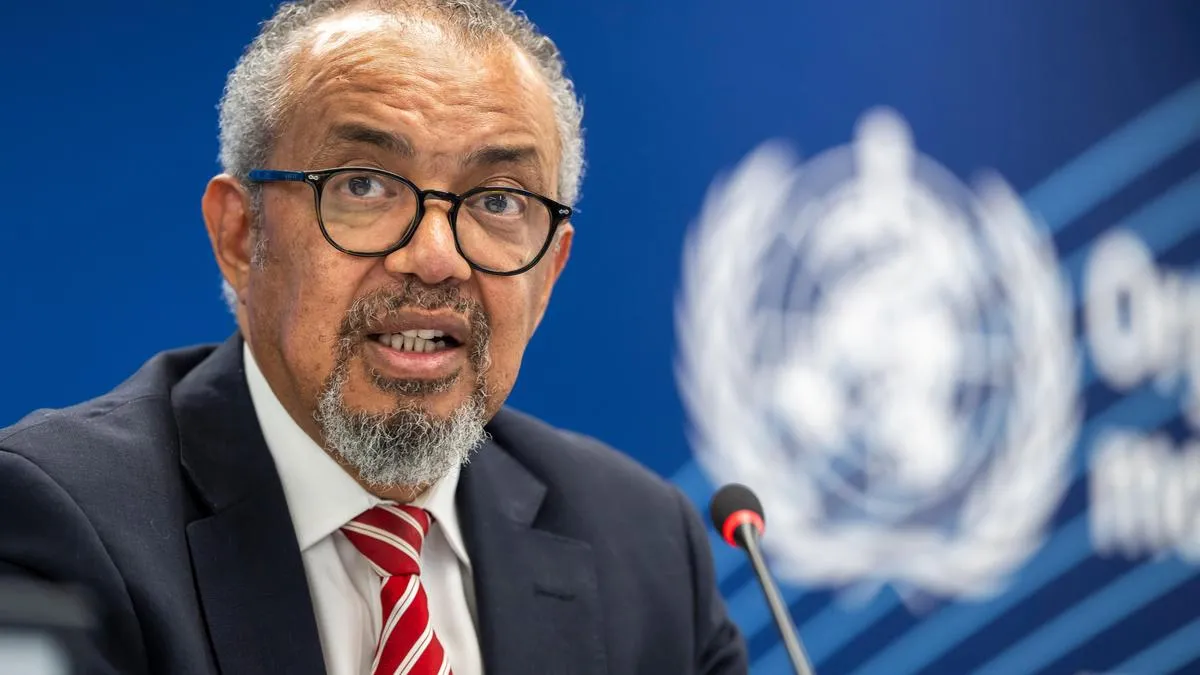
Geneva, Switzerland, Nov 2, 2026 (AFP) - Deadly outbreaks like the Ebola epidemic raging in the Democratic Republic of Congo show the urgent need to complete an international pandemic treaty, the World Health Organization chief said Monday.
Wealthy countries and developing nations remain at loggerheads over how an agreement, adopted last year as a framework to handle future Covid-like pandemics, will work in practice.
As the ninth meeting towards finalising the deal opened in Geneva Monday, WHO chief Tedros Adhanom Ghebreyesus called on countries to "finish the job".
Pointing to several recent deadly disease outbreaks, he stressed that completing a pandemic treaty was "about protecting people". "A pathogen threat anywhere can become a threat everywhere, to people of every country," he said, according to a written version of his statement. "The outbreak of hantavirus earlier this year, and the ongoing Ebola epidemic in DRC remind us of this threat." He was referring to the hantavirus outbreak that killed three people on a cruise ship in April and the latest Ebola outbreak, declared in May, which has killed nearly 5,000 people out of more than 10,000 infected mostly in the DRC.
It was vital, Tedros said, that the world learn the overarching lesson of the Covid-19 pandemic: "no country can protect itself from pandemics by acting alone".
When countries agreed in May 2025 to a Pandemic Agreement, they left out the tricky issue of how the key mechanism would operate to get the deal over the line.
The agreement's Pathogen Access and Benefit-Sharing (PABS) system covers how to share access to pathogens with pandemic potential, as well as benefits derived from them such as vaccines, tests and treatments. "PABS is the last remaining piece of our puzzle," Tedros said.
During the Covid pandemic, he highlighted that "the world developed vaccines in record time, but too many countries were left waiting while others secured far more than they needed". "That inequity cost lives, prolonged the pandemic and increased the risk of new variants emerging." Completing the final piece of the pandemic treaty, he insisted, was "the key that will unlock the door to a safer future". nl/ag/kjm
Related articles
 India · The Hindu — Health · 2 hours ago
Vietnam scraps child organ donors proposal after backlash
The newly revised draft still allows living minors to donate regenerative tissue, for bone marrow or stem cell transplants, to family members when no…
Read full article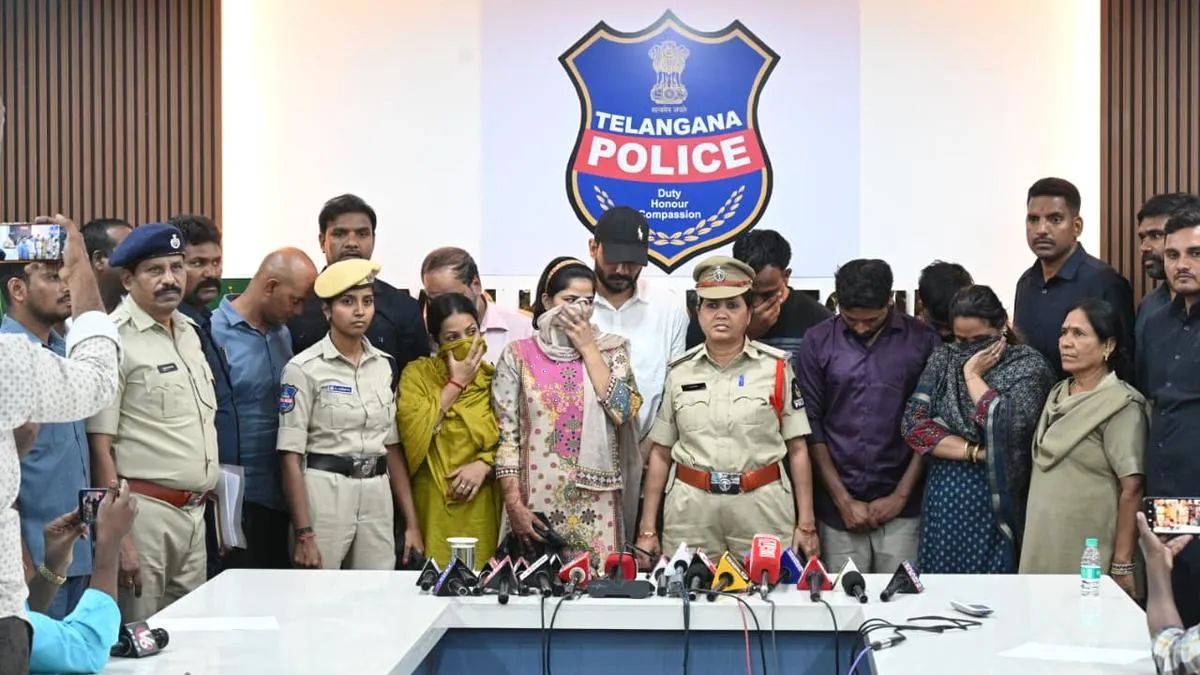 India · The Hindu — Health · 4 hours ago
Oocyte racket in Telangana: Women paid ₹20,000 as operators made around ₹3 lakh per cycle
Police probe alleged exploitation of 43 women, including possible forged consent documents and illegal commissions, while examining recruitment networks, payment trails and the role…
Read full article India · The Hindu — Health · 5 hours ago
What a new global study on pain reveals about women’s experiences
The study’s findings about women having a higher prevalence of pain across anatomical sites, resonate with observations from India, say experts, noting that even…
Read full article