
WHO urged to review drinking water standards amid nitrate health fears
The Hindu — Health · 3 Nov 2026 · 3 min read
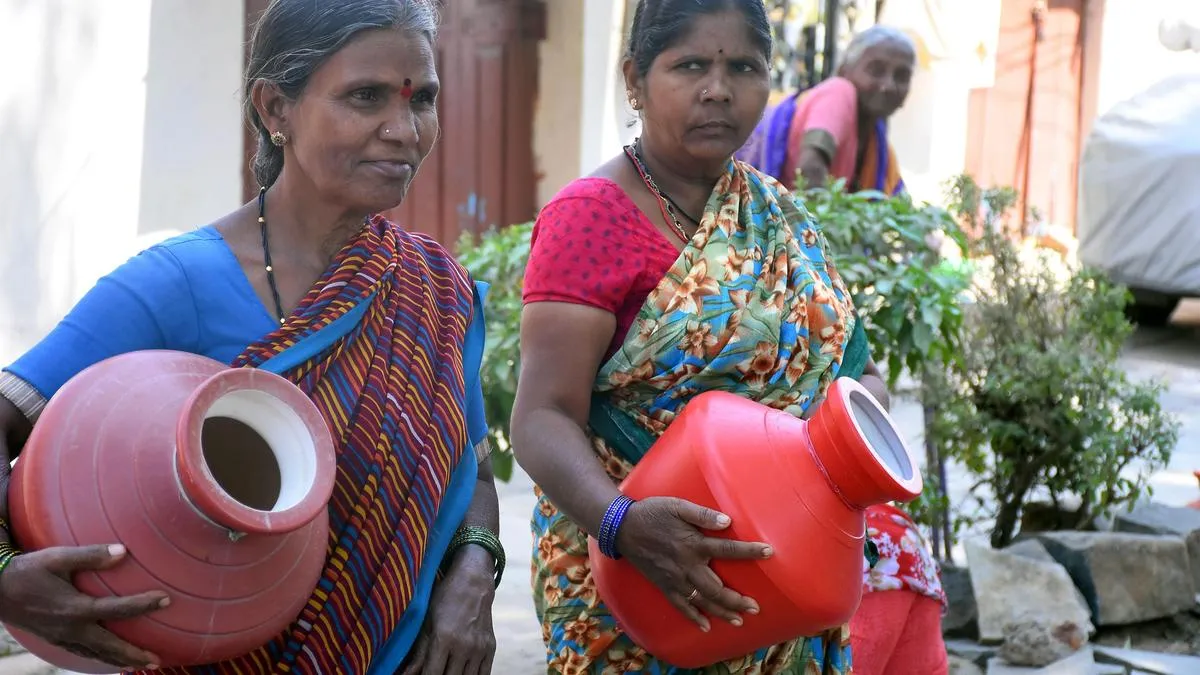
Geneva, Switzerland, Nov 2, 2026 (AFP) - Dozens of global health and environmental organisations called on the World Health Organization on Tuesday to revise decades-old standards for nitrate levels in drinking water, arguing they do not reflect recent scientific evidence about potential health risks.
In an open letter, 85 organisations, including Greenpeace International and the World Organization of Family Doctors (WONCA), called on the United Nations health agency to include nitrate in an upcoming review of its drinking water guidelines.
The toxic effects of nitrates -- a residue left behind by intensive farming -- are widely recognised as particularly dangerous for children and pregnant women.
Districts with excess nitrates in groundwater at seven-year high Districts with excess nitrates in groundwater at seven-year high Excess nitrates are a health hazard, especially for young children; found in groundwater largely due to subsidised fertilizer use; the situation is worsening in central and southern India with highest levels in Rajasthan, Karnataka, T.
N.
Districts with excess nitrates in groundwater at seven-year high storyline 1 But the current WHO guidelines -- which set the maximum acceptable nitrate level in drinking water at 50 milligrammes per litre as nitrate or 11.3 milligrammes per litre as nitrate-nitrogen -- date back to 1958 and are "outdated", the organisations warned.
That level was set specifically to prevent so-called "blue-baby syndrome" -- a deadly blood disorder in which the blood's capacity for carrying oxygen is reduced.
But the limit "has not been updated in response to robust epidemiological evidence linking chronic, low-level nitrate exposure to long-term human health risks", Tuesday's letter said, pointing in particular to "colorectal cancer and adverse birth outcomes". "Studies now link nitrate in drinking water, at levels well below the current WHO limit, to bowel cancer and premature birth," WONCA chair Pratyush Kumar said in a joint statement.
Govt. sanctions special funds for alternative drinking water sources amid El Nino concerns Govt. sanctions special funds for alternative drinking water sources amid El Nino concerns Govt. sanctions special funds for alternative drinking water sources amid El Nino concerns storyline 1 Decisive action The letter was sent to coincide with WHO's annual One Health Day, which aims to raise awareness about the interconnected health of humans, animals, plants and shared ecosystems.
Surface water models indicate that hundreds of millions of people globally are exposed to elevated nitrate levels, the letter warned. "Water should be life-giving, not life-threatening," Amanda Larsson, the global project lead for agriculture at Greenpeace, said in the statement. "We cannot protect human health without protecting the groundwater and rivers that sustain us," she insisted.
Groundwater quality assessment flags elevated nitrate and iron contamination in Kerala Groundwater quality assessment flags elevated nitrate and iron contamination in Kerala Of the 699 groundwater samples collected from the State, 32 showed nitrate concentrations above the permissible limit of 45 mg/litre.
Forty-nine samples showed iron concentrations above the permissible limit Groundwater quality assessment flags elevated nitrate and iron contamination in Kerala storyline 1 "Governments must take decisive action to curb the growth of intensive livestock farming and actively support producers in transitioning to ecological farming practices -- ensuring that clean, safe drinking water isn't a luxury but a guarantee." The organisations pointed to findings published last year by an expert panel commissioned by the Danish government indicating that the current international standard was insufficient to protect public health.
That expert panel recommended reducing the nitrate limit to 6.0 mg/L -- nearly 10 times below the current WHO benchmark -- something Denmark committed to earlier this year.
Is groundwater contamination high in India? | Explained Is groundwater contamination high in India? | Explained What are the contaminants?
What happens if nitrate presence is high in groundwater?
Is groundwater contamination high in India? | Explained storyline 1 But most national governments base their drinking water standards on WHO guidelines, the organisations said, stressing that updating those guidelines was "vital for global policy reform". nl/ag/rmb
Related articles
 India · The Hindu — Health · 7 hours ago
Mexico bans cellphones in schools, despite opposition from parents worried about violence
Mexican authorities are also preparing to implement regulations this month that will require digital platforms to remove posts containing hate speech, abuse, sexual violence,…
Read full article India · The Hindu — Health · 7 hours ago
Approval of India-made version of HIV-prevention shot raises hopes in low-income countries
Generic lenacapavir should start to become available in some places within weeks
Read full article India · The Hindu — Health · 11 hours ago
Child dies of measles in New York's first such death in 30 years
The U.S. stopped the domestic spread of measles in 2000 by maintaining high vaccination rates, but they have fallen in recent years to below…
Read full article