
Why psoriasis can sometimes be hard to diagnose and when you need to see a doctor
The Hindu — Health · 4 Nov 2026 · 1 min read
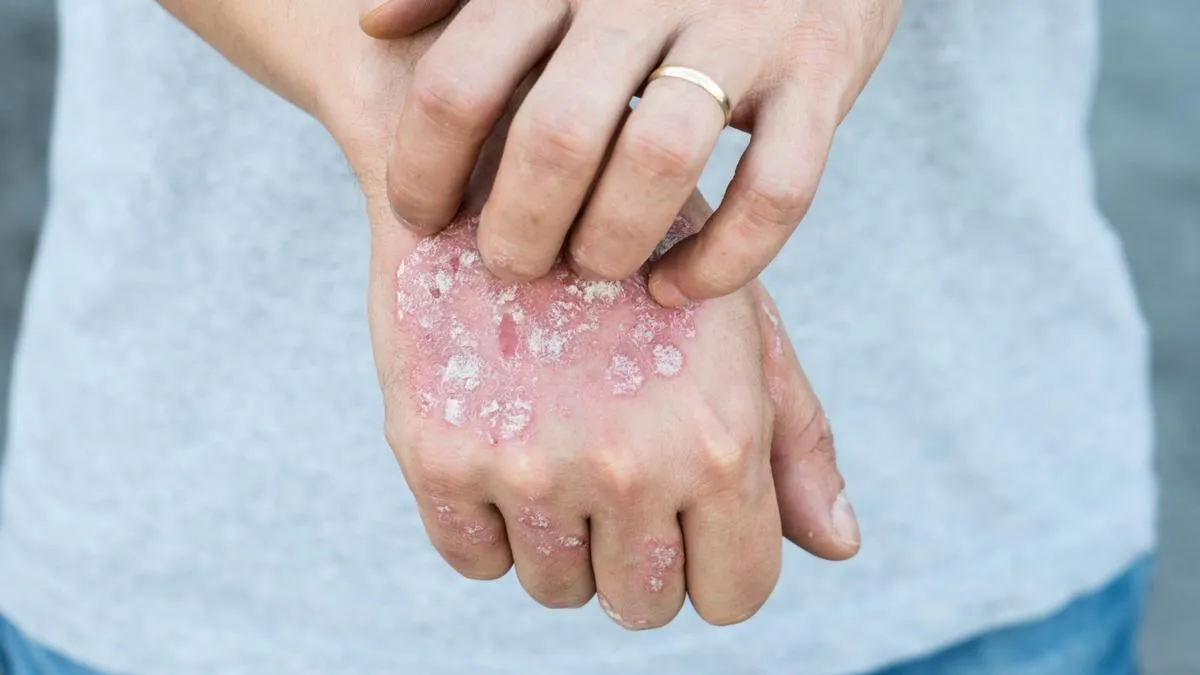
Psoriasis is an autoimmune condition that causes thick, scaly patches on the skin.
However, it often remains unidentified and undiagnosed because it does not look the same on all parts of the body: it could be mistaken, for instance, for dandruff on the scalp, persistent eczema on the palms, or a fungal infection.
You can’t always judge psoriasis by looking only at visible parts of the skin.
The condition, The scalp, the nails, and the palms are the parts of the body which are often mistaken for something else, like dandruff or fungal infection or persistent hand eczema.
Because of this, the condition frequently remains unidentified longer than necessary.
Why does this happen?
Our The reason is simple: skin isn’t the same everywhere.
The thickness of the skin can vary considerably depending on the diversity of the environmental conditions that it is exposed to goes through and the kind of treatment given applied to it.
All of These factors can contribute to wards influencing how psoriasis appears and feels.
Related articles
 India · The Hindu — Health · 8 hours ago
Apollo Foundation’s hospital in Aragonda blends healthcare with education, nutrition and sanitation
Read full article India · The Hindu — Health · 14 hours ago
Why is there variation in India’s fertility rates? | Explained
What is the Total Fertility Rate of India? How does it impact policy interventions?
Read full article India · The Hindu — Health · 15 hours ago
Urologists work as casualty medical officers in emergency depts. owing to lack of vacancies across T.N.
Sources say no new posts had been created in urology departments over the years. Several government medical college hospitals have only one urologist, while…
Read full article