
What is ‘food is medicine’? – 2 experts explain this decades-old approach to healthcare that is taking on new life
The Hindu — Health · 15 Nov 2026 · 8 min read
(The Conversation is an independent and nonprofit source of news, analysis and commentary from academic experts.) (THE CONVERSATION) Mountains of scientific evidence support both the negative and positive effects of our eating habits on our health.
Research shows that a healthy diet can help those suffering from chronic health conditions like Type 2 diabetes, heart disease and high blood pressure. https://doi.org/10.3389/fnut.2022.817808 https://doi.org/10.1515/ijamh-2023-0077 https://iris.who.int/server/api/core/bitstreams/f06e1673-3689-4cb1-8a37-762a3e9c5360/content https://my.clevelandclinic.org/health/diseases/21501-type-2-diabetes https://my.clevelandclinic.org/health/diseases/4314-hypertension-high-blood-pressure This is where “food is medicine” comes in.
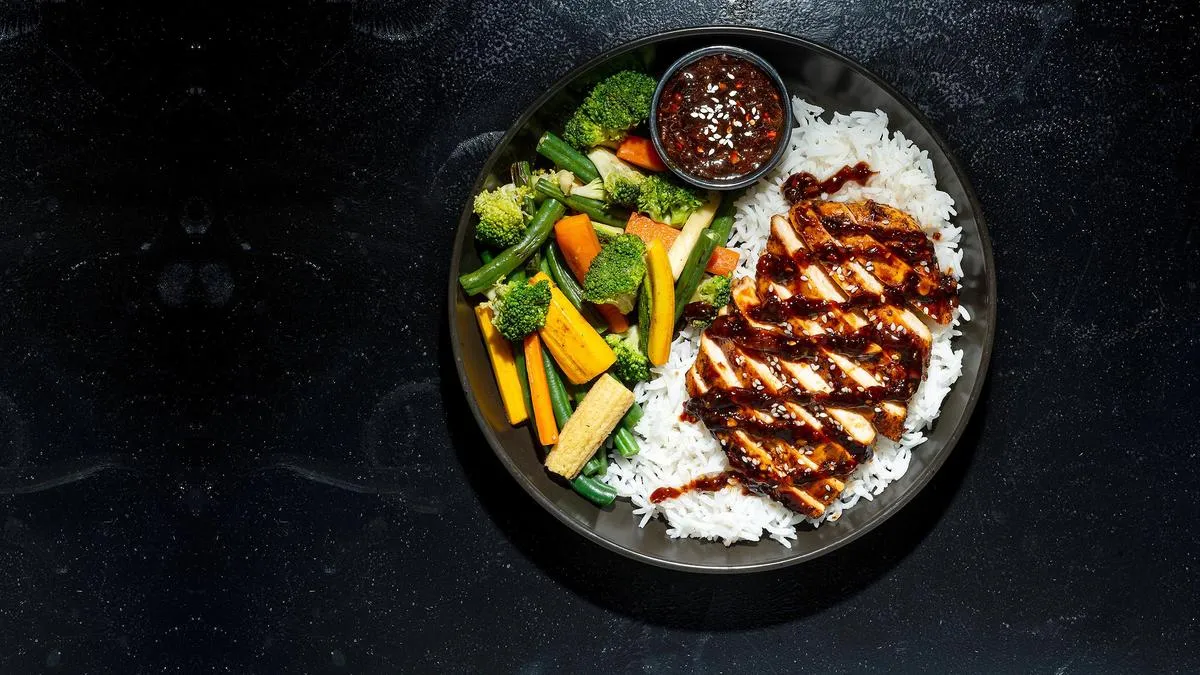
Food is medicine, also known as “food as medicine” and “food prescriptions,” is a movement dedicated to providing healthy food – fruits, vegetables and sometimes healthy proteins – based on a clinician’s prescription in order to prevent, manage or treat specific clinical conditions. https://doi.org/10.1161/CIR.0000000000001182 Prescribing food to patients is intended to convey that food is just as important as medication for health and wellness. https://doi.org/10.1177/1559827620915425 As researchers whose work focuses on food access and health in rural communities, we have firsthand experience running food is medicine programs in our local area in northern Mississippi.
This experience has shown us the benefits and limitations of these programs in our community. https://scholar.google.com/citations?user=qRJi0c0AAAAJ&hl=en https://www.linkedin.com/in/natalie-minton-915001332 Towards nutritional literacy: navigating food labels, social media feeds and traditional wisdom to arrive at better diets Towards nutritional literacy: navigating food labels, social media feeds and traditional wisdom to arrive at better diets As consumers, we need to move beyond simplified narratives that classify every food as either ‘clean’ or ‘toxic’.
Instead, we should understand what processing means, learn how to interpret labels, appreciate portion sizes, and focus on the quality of our overall eating pattern Towards nutritional literacy: navigating food labels, social media feeds and traditional wisdom to arrive at better diets storyline 1 Fighting food insecurity Food is medicine programs can be delivered through curated food boxes, grocery vouchers and medically tailored meals.
Most programs are collaborations between nonprofit organizations, health clinics and healthcare providers.
The goal of food is medicine is to improve patient health, especially for those with chronic conditions, while reducing healthcare costs.
Increasingly, food is medicine programs have become lifelines for people with food insecurity.
In 2024, more than 47 million Americans, including 7.3 million children, lived in food-insecure households – meaning they were at some point uncertain of having, or did not have, enough food for everyone in the household. https://www.ers.usda.gov/topics/food-nutrition-assistance/food-security-in-the-us/key-statistics-graphics Internationally, the number of people experiencing hunger rises to roughly 673 million.
Rural populations are more likely to be food insecure due to the loss of local grocery stores and distance from urban centers.
Unlike a food bank, food is medicine programs provide only healthy foods, which are often curated by a dietitian, to optimize patient health. https://www.un.org/en/global-issues/food What is it about ultra-processed foods that is driving obesity?
What is it about ultra-processed foods that is driving obesity?
A new analysis has found that the harmful effects often attributed to ultra-processed foods may not arise from the processing itself, but from characteristics such as high calorie density, low fibre content, soft texture, and excessive fat or salt.
In other words, it may not be the factory that is making us fat—it may be the recipe What is it about ultra-processed foods that is driving obesity? storyline 1 Forward momentum Though food is medicine isn’t formally connected to the Make American Healthy Again movement, U.
S.
Health and Human Services Secretary Robert F.
Kennedy, Jr. has brought new energy and attention to the concept.
In January 2026, the second Trump administration launched a campaign encouraging Americans to “Eat Real Food.” https://www.npr.org/2026/10/28/nx-s1-6018272/food-health-trump-wellness-maha-rfk-jr https://thehill.com/policy/healthcare/6173378-rfk-jr-hospital-food-pledge/ https://realfood.gov/ But the food is medicine movement actually began more than 60 years ago.
One of the early providers who prescribed food as medicine was civil rights activist and multiple Nobel Peace Prize winner Dr.
Jack Geiger.
In the 1960s, he co-founded community health centers in South Boston and the Mississippi Delta. https://www.nytimes.com/2020/12/28/health/h-jack-geiger-dead.html When government officials chastised him for prescribing food to patients in the Delta, Geiger responded, “The last time I looked at my textbooks, the most specific therapy for malnutrition was food.” https://doi.org/10.1161/CIR.0000000000001182 Since then, thousands of community organizations like Community Servings and Project Open Hand have provided healthy food to vulnerable community members. https://www.servings.org/ https://www.openhand.org/ In 2023, the president of the American Heart Association convened an advisory group of researchers and physicians to review current food is medicine research and suggest next steps for work in this area.
This advisory has suggested that these programs could help prevent or manage chronic conditions, saving the U.
S. healthcare system an estimated US$4.3 trillion annually. https://doi.org/10.1161/CIR.0000000000001182 https://doi.org/10.1161/CIR.0000000000001182 Food is medicine has also started to gain international momentum.
In 2025, the Rockefeller Foundation supported a meeting of international scholars, policy experts and practitioners that established the Food Is Medicine Global Alliance.
This organization plans to help integrate, sustainably finance and routinely deliver food is medicine programs worldwide by 2030.
So far, it has released several reports highlighting the current food is medicine environment and made resources available to providers looking to start their own programs. https://www.fimglobalalliance.org/about https://www.fimglobalalliance.org/news-and-events Prevention: tackling diabetes before it happens Prevention: tackling diabetes before it happens Prevention of diabetes can be carried out at every stage of our lives.
In those who are at high risk, for example, those with a strong family history of diabetes or obese individuals who still have normal glucose tolerance, reducing risk factors can help prevent developing prediabetes.
This is primordial prevention and applies to everyone Prevention: tackling diabetes before it happens storyline 1 Food is medicine in our local community Food is medicine programs can use food from local farms or grocery stores, and the means of getting the food to patients varies.
The four projects we have run to date have been relatively small and local.
One was a food box pickup program that supplemented fruits and vegetables for 55 households whose members demonstrated food insecurity.
We followed the participants for two years and found statistically significant reductions in weight, waist circumference and triglyceride levels in the primary adult participants. https://doi.org/10.1177/2752535X241301847 For two of our other programs, including one that is ongoing, we partnered with local farmers.
One was a pilot test of a food box delivery program for housebound people.
Both the recipients of the food and the farmers reported high satisfaction with the program’s delivery and felt the program strengthened community connections while also supporting local agricultural livelihoods. https://www.thehappyfoodsproject.org/ https://doi.org/10.5304/jafscd.2026.153.016 Unsafe food causes 600 million cases of illnesses, 4,20,000 deaths annually: WHO chief Unsafe food causes 600 million cases of illnesses, 4,20,000 deaths annually: WHO chief Ghebreyesus stressed that collaboration was essential to ensure safe and accessible food for all, as food systems cross borders and continents Unsafe food causes 600 million cases of illnesses, 4,20,000 deaths annually: WHO chief storyline 1 What other researchers have found One recent large-scale literature review identified 14 trials of food is medicine interventions and found that these approaches often positively influenced diet quality and food security. https://doi.org/10.1161/CIR.0000000000001343 Another review of food is medicine programs for people with diabetes found significant increases in fruit and vegetable intake and reductions in blood sugar levels.
This data supports our own previous findings. https://doi.org/10.1016/j.jcjd.2022.11.001 However, the effect of food is medicine programs on long-term health outcomes has been inconsistent, in part because many trials have been too small or not rigorous enough to determine causation.
In some cases, the “dose” – that is, the amount of food provided – is limited by grant funding.
Our food box pickup project supplemented only four to five meals each week, which may have been insufficient to significantly improve all health outcomes. https://doi.org/10.1080/19320248.2024.2328344 Moreover, it will be important for researchers to consider the logistics of making these programs work in various local food environments.
Global factors like changing weather patterns and, more recently, delays in fuel and supplies from the Strait of Hormuz have increased prices of staple food products like cereals and vegetable oil and led to shortages of cooking oil in some countries. https://www.iea.org/commentaries/energy-crisis-threatens-worlds-most-vulnerable-as-cooking-fuel-shortages-grow https://www.fao.org/worldfoodsituation/FoodPricesIndex/en/ Food is medicine can be appealing because it makes intuitive sense.
But going forward, larger, high-quality studies are needed to adequately track clinical outcomes from the various types of food is medicine programming.
If studies show food is medicine is beneficial, it could lead to a shift in how healthcare practitioners approach diet for patients with chronic illness.
Access to healthy food would be considered as essential as medications for patients with chronic illness. https://doi.org/10.1161/CIR.0000000000001343 Meagen Rosenthal, University of Mississippi and Natalie Minton, University of Mississippi This article is republished from The Conversation under a Creative Commons license.
Read the original article here: https://theconversation.com/what-is-food-is-medicine-2-experts-explain-this-decades-old-approach-to-healthcare-that-is-taking-on-new-life-293312. https://theconversation.com/what-is-food-is-medicine-2-experts-explain-this-decades-old-approach-to-healthcare-that-is-taking-on-new-life-293312 image
Related articles
 India · The Hindu — Health · 21 hours ago
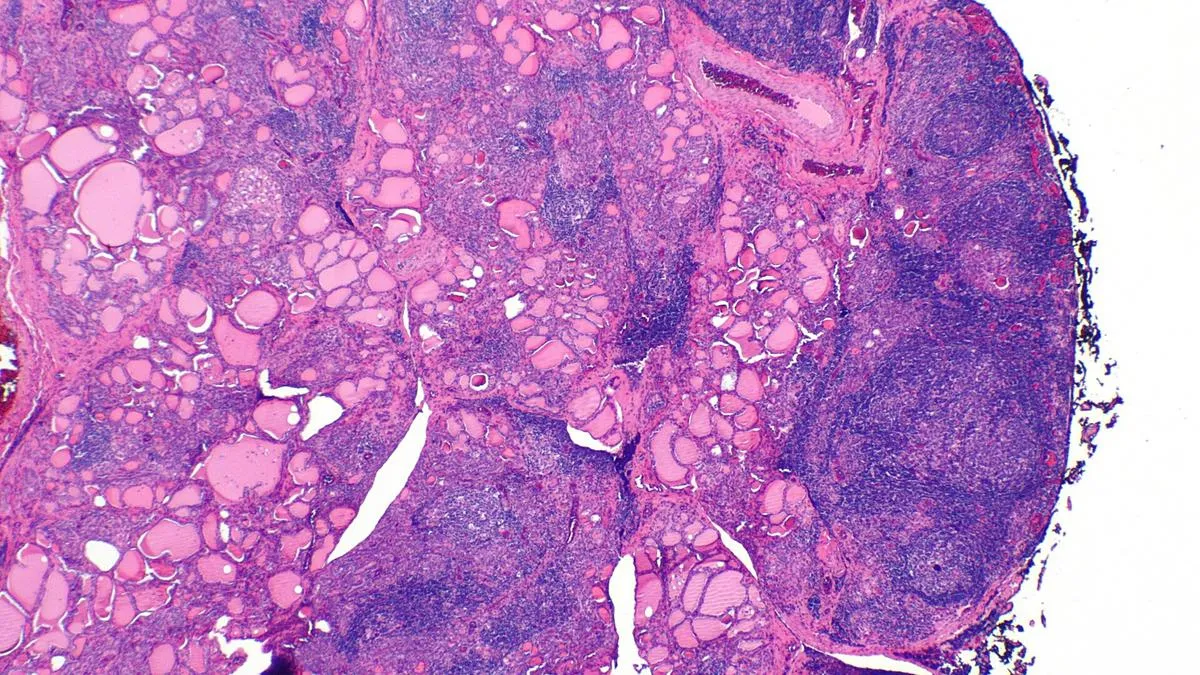
Hashimoto’s thyroiditis: why symptoms can persist even after thyroid levels normalise
Hashimoto’s can damage the thyroid gland and cause hypothyroidism. But even when treatment brings thyroid hormone levels back to normal, some patients continue to…
Read full article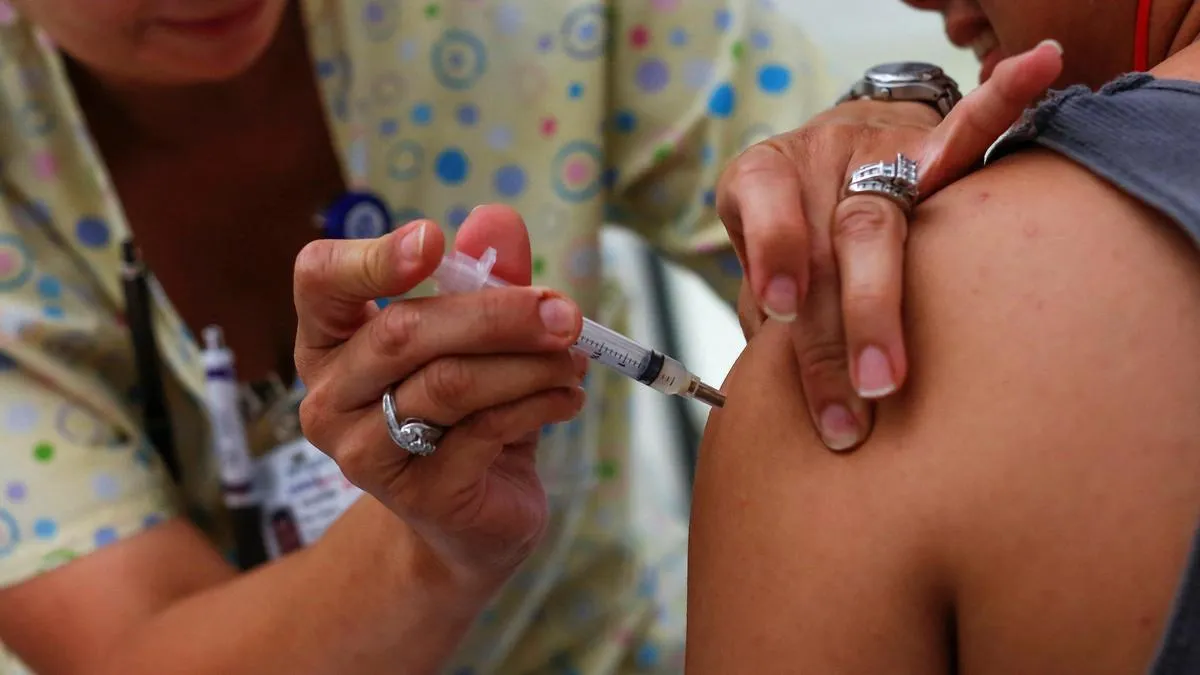 India · The Hindu — Health · 22 hours ago
Fading tetanus and diphtheria immunity: experts explain why the Td shot is important
Tetanus remains preventable. Bridging the adult booster gap may determine whether India can move from control to elimination of avoidable deaths
Read full article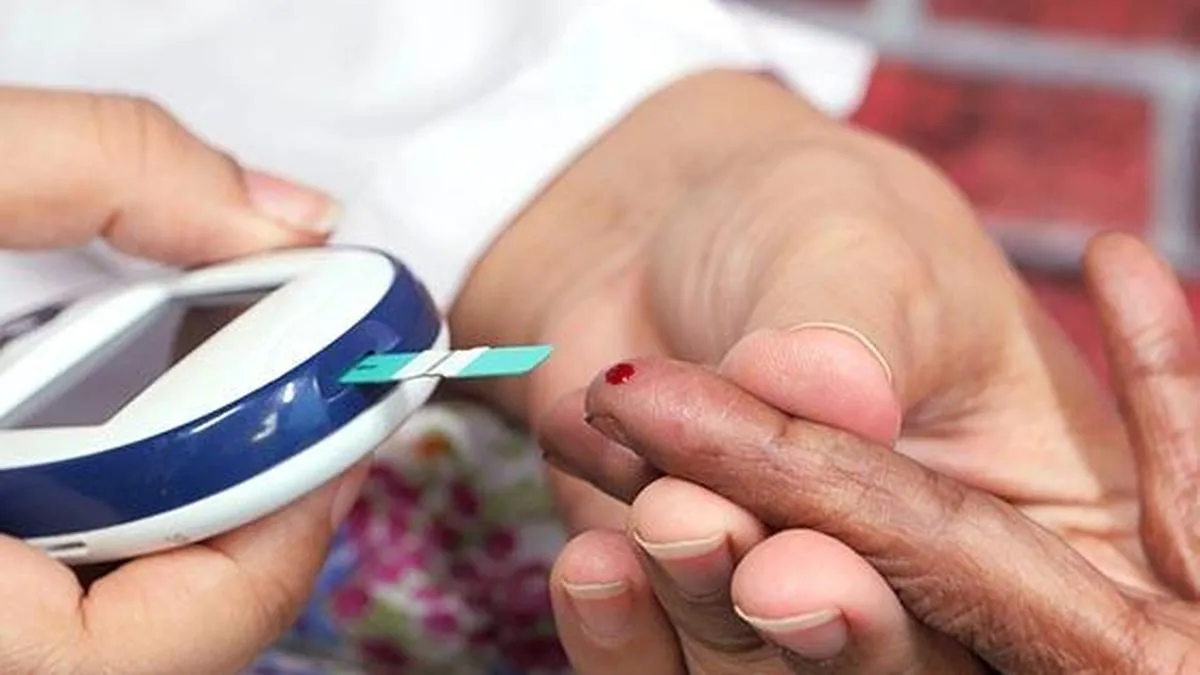 India · The Hindu — Health · 23 hours ago
Diabetes linked with 53% higher risk of Alzheimer's, review finds
While many earlier reviews combined different types of diabetes or dementia, this review focused specifically on type 2 diabetes and Alzheimer's disease and estimated…
Read full article