
Transgender rights, healthcare should not be compromised
The Hindu — Health · 17 Nov 2026 · 1 min read
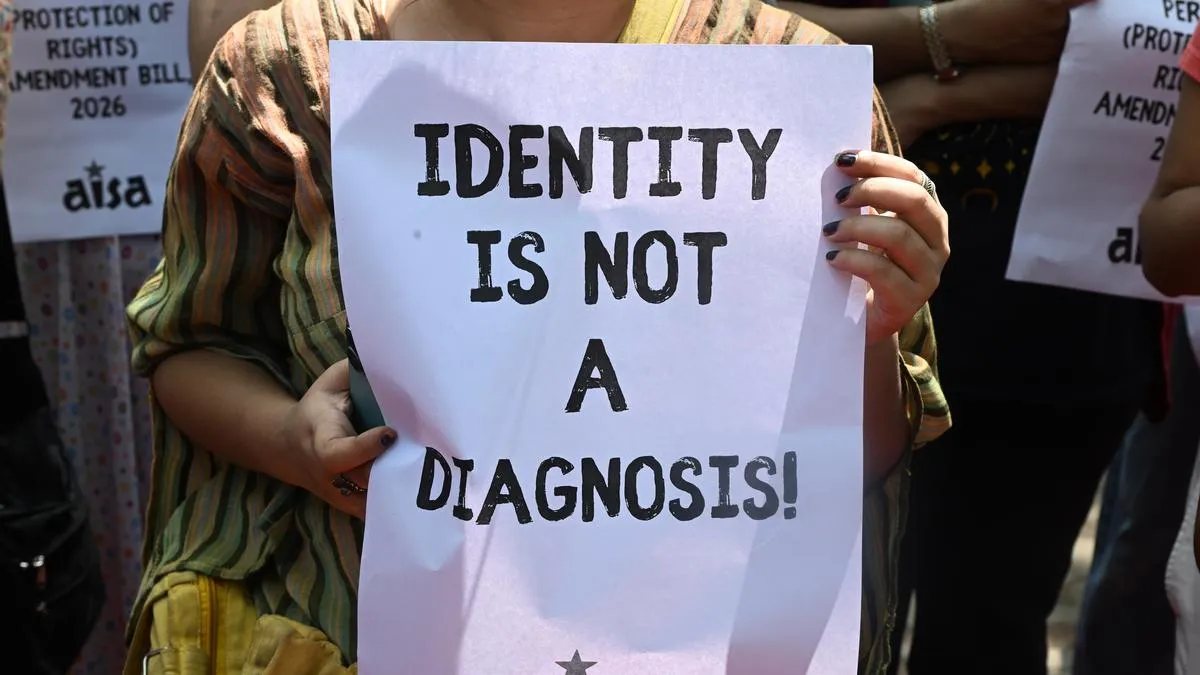
Parliament passed the Transgender Persons (Protection of Rights) Amendment Act, 2026 earlier this year.
The new Act represents a significant shift from the Transgender Persons (Protection of Rights) Act, 2019.
The 2026 amendment removes the principle of self-identification and demands a medical board’s recommendation; a selection from prescribed categories; and certification by a District Magistrate.
It fundamentally changes legal recognition for transgender persons from self-identification to medical assessment.
While the 2026 Act does increase protection, it changes the philosophical foundation of transgender rights — from recognition based substantially on autonomy and self-identification towards recognition mediated by medical and administrative authorities.
The definition of “transgender” as introduced in the Amendment Act is in contradiction to established international evidence and guidelines laid down in the World Health Organization ICD-11 and the World Professional Association for Transgender Health Standards of Care Version 8.
Related articles
 India · The Hindu — Health · 13 hours ago
COVID-19 lessons should inform response to air pollution
Tackling air pollution already attracts considerable expenditure, but allocations do not consistently reflect the greatest health risks
Read full article India · The Hindu — Health · 19 hours ago
Scientists warn of growing health threats of chemicals found everywhere
EDCs are chemicals that interfere with, mimic, or block the hormones that regulate the development and behaviour of our organs
Read full article India · The Hindu — Health · 19 hours ago
Researchers boost gut microbial activity linked to longevity in aged mice, find improved metabolism
The study suggests that specific age-related changes in the gut microbiome may be protective adaptations rather than signs of decline, and could potentially be…
Read full article