
Health Ministry proposes to include antimicrobials in ‘New Drug’ definition, separate licence for bulk drug wholesale
The Hindu — Health · 20 Nov 2026 · 3 min read
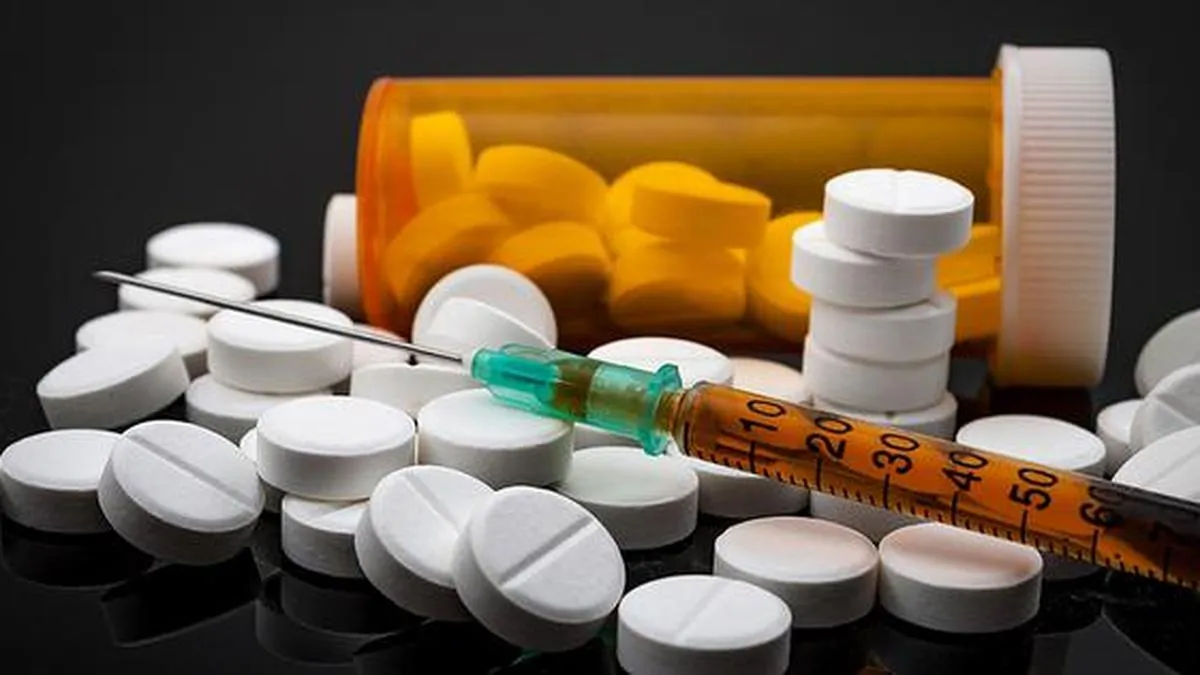
NEW DELHI The Union Health Ministry has proposed an amendment to the New Drugs and Clinical Trials Rules, 2019, to include ‘antimicrobials’ in the definition of ‘New Drug’ under Rule 2(1)(w)(v).
Antimicrobial resistance (AMR) is a major global public health concern and the proposed amendment has been initiated in view of concerns regarding the grant of manufacturing licences for antimicrobial products without adequate regulatory scrutiny, including the requirement for studies such as bioavailability and bioequivalence and stability studies.
Bitter pills: on Court’s intervention, drug pricing Bitter pills: on Court’s intervention, drug pricing The Supreme Court did well to intervene in drug pricing by retailers Bitter pills: on Court’s intervention, drug pricing editorial 1 The proposed amendment seeks to bring antimicrobials within the regulatory framework applicable to new drugs under the New Drugs and Clinical Trials Rules, 2019.
Accordingly, manufacturers would be required to obtain permission from the Central Licensing Authority before applying for a manufacturing licence from the concerned State Licensing Authority.
This is expected to strengthen central regulatory oversight and help ensure the quality, safety and efficacy of antimicrobial products.
Meanwhile, the Ministry has also proposed amendments to the Drugs Rules, 1945, to introduce a separate application form (Form 19-BC) and licence form (Form 20-BC) for the sale of bulk drugs (active or inactive bulk substances), distinct from the existing licensing provisions for formulations.
At present, a common licence covers the wholesale sale of both formulations and bulk drugs.
The proposed amendment seeks to establish a dedicated licensing framework for bulk drugs, enabling more focused regulatory oversight of their wholesale sale and greater accountability in the pharmaceutical supply chain.
Hyderabad doctor brings down rare disease drug cost from ₹9 crore to ₹2.5 lakh; seven children to get free treatment Hyderabad doctor brings down rare disease drug cost from ₹9 crore to ₹2.5 lakh; seven children to get free treatment Seven children diagnosed with Allan-Herndon-Dudley syndrome (AHDS), a rare genetic disorder, are set to receive a year’s supply of the medicine tiratricol free of cost on November 30; the compounded formulation is estimated to cost just ₹2.5 lakh per child for a year Hyderabad doctor brings down rare disease drug cost from ₹9 crore to ₹2.5 lakh; seven children to get free treatment storyline 1 The proposal was agreed upon by the Drugs Consultative Committee (DCC) in its 67th meeting held on November 17, 2025, and by the Drugs Technical Advisory Board (DTAB) in its 93rd meeting held on February 16, 2026.
Under the proposed framework, the licence will capture the categories of bulk drugs handled by wholesalers, including drugs covered under the Narcotic Drugs and Psychotropic Substances (NDPS) Act, 1985.
The sale of bulk drugs will be carried out under the personal supervision of a competent person, thereby strengthening accountability in their distribution and handling.
Who decides the cost of medicines in India?
Who decides the cost of medicines in India?
India’s separation of medicine licensing under CDSCO and pricing under NPPA presents a policy challenge.
Stronger coordination,supported by pharmaceutical, clinical and health-economic expertise, could bridge this gap Who decides the cost of medicines in India? storyline 1 “Upon implementation, the proposed amendment will: give better control over the sale of bulk drugs by way of wholesale, strengthen enforcement control in relation to antimicrobial resistance and the movement of NDPS drugs and require wholesalers of bulk drugs to obtain a separate license for sale.” Stakeholders and members of the public are invited to submit their objections and suggestions.
Related articles
 India · The Hindu — Health · 21 hours ago
FDA sets up council for post-market review of vaccines, gene therapies
The FDA said the council is intended to improve accountability and transparency as biologic products grow increasingly complex, particularly in cell and gene therapy,…
Read full article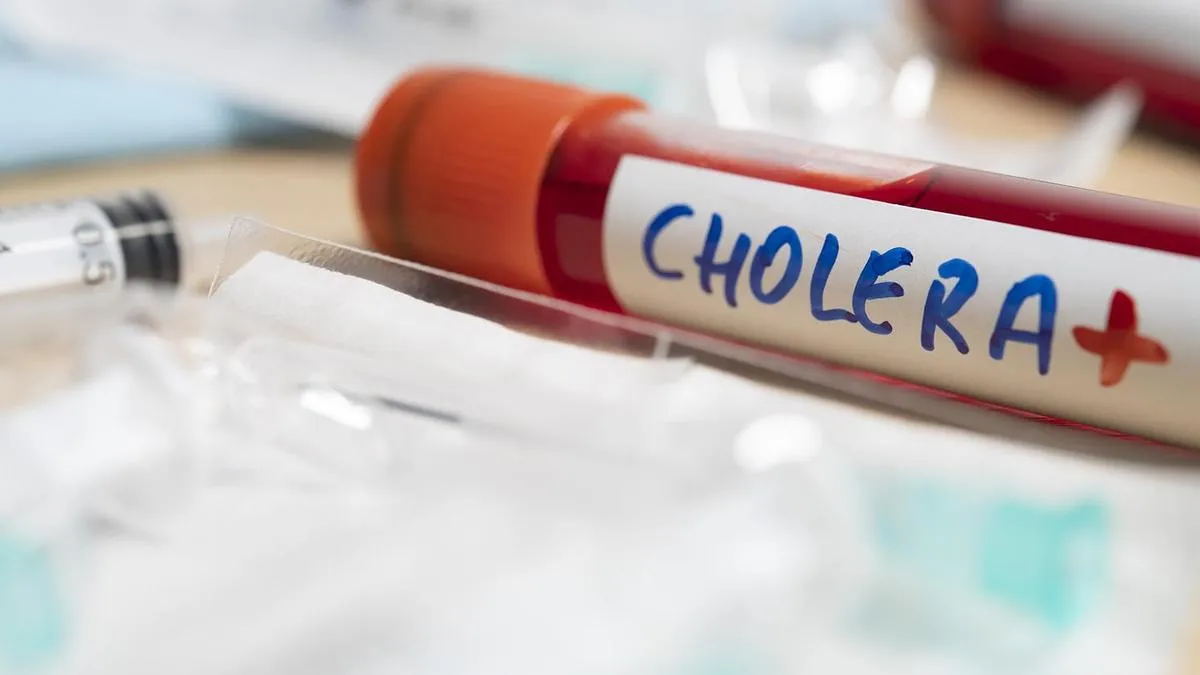 India · The Hindu — Health · 1 day ago
South Korea confirms first case of cholera in 10 years
It is the country's first case of cholera since 2016, when authorities identified three cases suspected to be caused by contaminated seafood. At least…
Read full article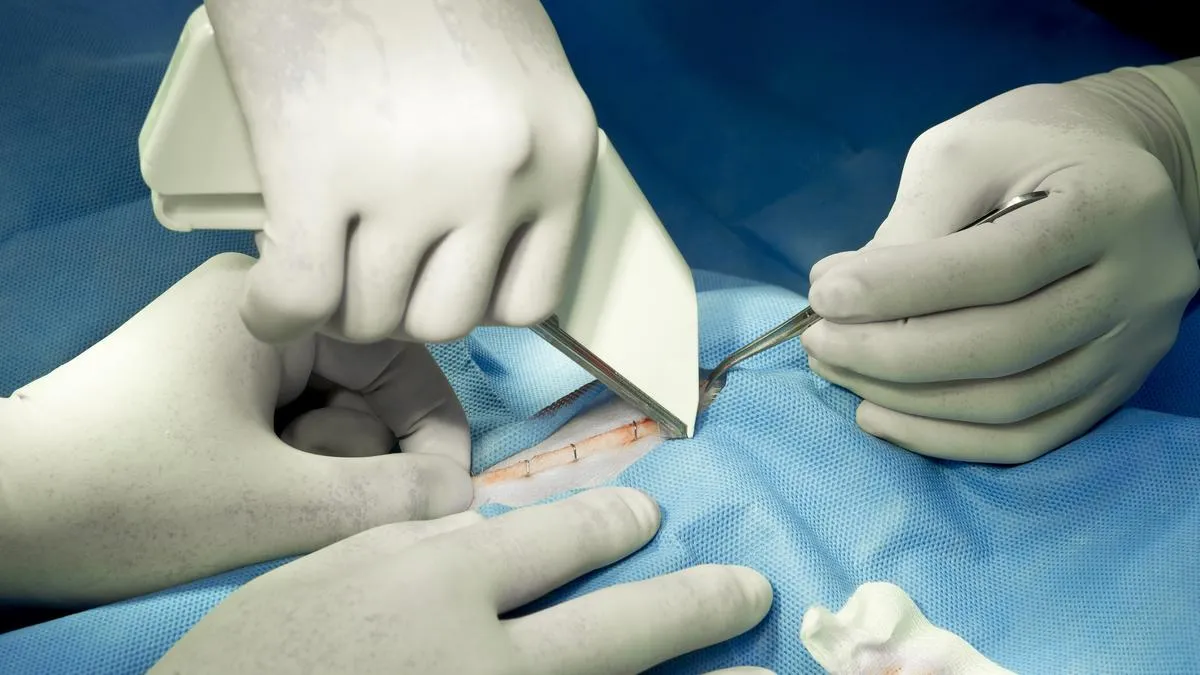 India · The Hindu — Health · 1 day ago
India’s health services has banned reuse of single-use medical devices. But who decides what’s safe?
Unsafe reuse can harm patients, and billing for a reused device as if it were new is indefensible. But there is a bigger question…
Read full article