
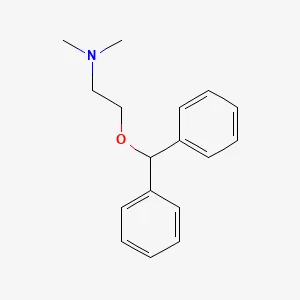
antihistaminePrescription only (Schedule G)Jan Aushadhi listedAppears in banned-combination list entries
Diphenhydramine
डिफेन्हिड्रामीन
Diphenhydramine is an antihistamine tablet sold for short-term relief of hay fever, upper respiratory allergy and common cold symptoms. The label warns it can cause marked drowsiness, and that alcohol and sedatives add to this. It is not for children under 6 years.
- Generic name
- Diphenhydramine
- Used for
- Temporary relief of runny nose, sneezing, itchy eyes or throat from hay fever and colds.
- Label used
- Tablets label, oral, DailyMed set 69af44c2, effective 2026-08
- Prescription status (India)
- Prescription only (Schedule G) in the lists we checked
- On NLEM 2022
- Not found in the list we checked
- NPPA price ceiling
- Not listed in the lists we checked
More facts
- Jan Aushadhi
- Listed (1 product row)
- Banned combinations
- 8 entries mention it; use the checker for your combination
Compiled from official drug labels and Indian government sources. Always follow your doctor's or pharmacist's advice.
Safety at a glance
- AlcoholAvoid, per label textSee wording
- PregnancyCaution in label textSee wording
- BreastfeedingCaution in label textSee wording
- DrivingAvoid, per label textSee wording
- KidneyNot mentioned in label text
- LiverNot mentioned in label text
Taken only from the label text cited on this page. "Not mentioned" does not mean safe. Ask your doctor or pharmacist.
What is diphenhydramine used for?
The label describes temporary relief of symptoms from hay fever or other upper respiratory allergies. These are runny nose, itchy and watery eyes, sneezing, and itching of the nose or throat.
It also describes temporary relief of runny nose and sneezing from the common cold.
- Runny nose
- Itchy, watery eyes
- Sneezing
- Itching of the nose or throat
It gives short-term relief from allergy and cold symptoms.
Source1
How does diphenhydramine work?
The label we reviewed does not describe how diphenhydramine works.
The label we reviewed does not explain how it works.
Source1
How is diphenhydramine usually taken?
This page covers the US label for diphenhydramine tablets taken by mouth, with the dosing the label gives for adults and, where the label says so, children.
This is label-level information, not personal advice. Indian pack labels may differ, and your prescriber's instruction always comes first.
For adults and children 12 years and over, the label describes 1 to 2 tablets every 4 to 6 hours, or as directed by a doctor. For children 6 to under 12 years, it describes 1 tablet. It says not to use in children under 6 years.
The label says not to take more than 6 times in 24 hours, and not to take more than directed.
- Age 12 and over: 1 to 2 tablets every 4 to 6 hours
- Age 6 to under 12: 1 tablet
- Under 6 years: do not use
- No more than 6 times in 24 hours
Dose depends on age, and children under 6 should not take it.
Source1
What are the side effects of diphenhydramine?
Common
- Marked drowsiness may occur, and excitability may occur, especially in children. A related US label lists sedation, dizziness, poor coordination, dry mouth, nose and throat, stomach upset, and difficult urination.
- Drowsiness and sedation
- Dry mouth, nose and throat
- Dizziness, poor coordination
- Stomach upset
- Difficulty passing urine
Serious: get help
- Less common serious effects listed there include allergic reactions, fast heartbeat, blood count changes, and convulsions.
Drowsiness and a dry mouth are the main listed effects.
Who should be careful with diphenhydramine?
The label says not to use diphenhydramine to make a child sleepy, and not with any other product containing diphenhydramine, even on the skin.
Ask a doctor before use if you have glaucoma, a breathing problem such as emphysema or chronic bronchitis, or difficulty passing urine due to an enlarged prostate. Ask a doctor or pharmacist if you take sedatives or tranquilizers.
Avoid alcohol and use caution when driving or operating machinery. If pregnant or breastfeeding, ask a health professional before use. In overdose, get medical help right away.
- Not for children under 6 years
- Do not combine with other diphenhydramine products
- Ask a doctor if you have glaucoma, breathing problems or an enlarged prostate
- Avoid alcohol
- Use caution when driving
It causes drowsiness, so avoid alcohol and take care with driving and machinery.
What medicines interact with diphenhydramine?
- Alcohol
- Sedatives, tranquilizers, sleeping medicines
- MAO inhibitors
- Other products containing diphenhydramine
- A related label says diphenhydramine adds to the effects of alcohol and other drugs that slow the brain, such as sleeping pills, sedatives and tranquilizers.
- MAO inhibitors can prolong and intensify its drying (anticholinergic) effects.
No match in this label text. Ask your pharmacist about any medicine you take.
Alcohol, sedatives and MAO inhibitors can add to its effects.
How should diphenhydramine be stored?
The label gives a storage range of 15 to 30 degrees C.
The label also says to keep it away from moisture.
Follow the storage line on your own pack, and keep medicines out of the reach of children.
Follow the storage instructions on your pack.
Source1
Is diphenhydramine a prescription medicine in India?
In the Drugs Rules schedules we checked, diphenhydramine is listed under Schedule G (serial and rule: Schedule G (rule 97)). Schedule G medicines must carry a label caution to use them only under medical supervision.
We did not find diphenhydramine on the National List of Essential Medicines 2022 in the list we checked.
The Jan Aushadhi (PMBJP) list we checked has 1 product row that mention diphenhydramine. We did not capture prices for them.
The banned fixed-dose combination list we checked has 8 entries that mention diphenhydramine. This does not mean the single medicine is banned. Use our checker for a specific combination.
Prescription medicine (Schedule G), not found on NLEM 2022.
What is the price ceiling for diphenhydramine?
Jan Aushadhi lists diphenhydramine products including Diphenhydramine 13-15mg, Ammonium Chloride 135- 150mg , Sodium Citrate 57-85mg, Menthol 0.9-2.6mg Cough Syrup 15mg,. We have not shown a price for them. Check the pack and the seller for the actual price.
NPPA lists per-unit ceilings where a formulation is scheduled. Check the pack and seller.
Source3
Frequently asked questions
Can I drink alcohol while taking diphenhydramine?
The label says to avoid alcoholic beverages because alcohol may increase drowsiness. Ask your doctor or pharmacist.
Source1
Is diphenhydramine safe in pregnancy and breastfeeding?
The label says to ask a health professional before use if pregnant or breastfeeding.
Source1
Should diphenhydramine be taken with food?
The label we reviewed does not say. Ask your doctor or pharmacist.
Source1
Can diphenhydramine affect driving or alertness?
The label says marked drowsiness may occur and to use caution when driving or operating machinery.
Source1
Can children or older adults take diphenhydramine?
The label describes doses for ages 6 and over and says not to use under 6 years. Excitability may occur in children. It does not describe older adults. Ask your doctor or pharmacist.
Source1
Sources
- 1U.S. FDA-approved label (DailyMed) (69af44c2-390c-4223-889a-d5555aef5778) Open source · 2026-10-15
- 2U.S. FDA-approved label (DailyMed) (d8944f3c-acef-4ebe-9633-7d641ae95edf) Open source · 2026-10-15
- 3PMBJP (Jan Aushadhi) product list (p33:sno746) Open source · 2026-10-15
- 4Drugs Rules 1945, Schedules (2022 consolidation) (Schedule G, Schedule G (rule 97)) Open source · 2026-10-15
Compiled by software from the sources above and checked by automated rules. Last checked: 2026-10-15 · How we use sources · Report a correction
This information is educational and is not a substitute for advice from your doctor or pharmacist. It does not tell you what dose you personally should take. In an emergency call 112.