
Dorzolamide Hydrochloride And Timolol Maleate Ophthalmic Solution
11 DESCRIPTION Dorzolamide hydrochloride and timolol maleate ophthalmic solution, USP is the combination of a topical carbonic anhydrase inhibitor and a topical beta-adrenergic receptor blocking agent. Dorzolamide hydrochloride USP is described chemically as: (4 S-trans )-4-(ethylamino)-5,6-dihydro-6- methyl-4 H -thieno[2,3- b ]thiopyran-2-sulfonamide 7,7-dioxide monohydrochloride. Dorzolamide hydrochloride is optically active. The specific rotation is: [α] 25°C (C=1, water) = ~ -17°. 405nm Its molecular formula is C 10 H 16 N 2 O 4 S 3 •HCl and its structural formula is: Dorzolamide hydrochloride USP has a molecular weight of 360.91. It is a white to off-white, crystalline powder, which is soluble in water and slightly soluble in methanol and ethanol. Timolol maleate USP is described chemically as: (-)-1-( tert -butylamino)-3-[(4-morpholino-1,2,5-thiadiazol-3-yl)oxy]-2-propanol maleate (1:1) (salt). Timolol maleate possesses an asymmetric carbon atom in its structure and is provided as the levo-isomer. The optical rotation of timolol maleate is: [α] 25° C in 1N HCl (C = 5) = -12.2° (-11.7° to -12.5°). 405 nm Its molecular formula is C 13 H 24 N 4 O 3 S•C 4 H 4 O 4 and its structur
Information page. Not necessarily available for purchase.
What is Dorzolamide Hydrochloride And Timolol Maleate Ophthalmic Solution?
11 DESCRIPTION Dorzolamide hydrochloride and timolol maleate ophthalmic solution, USP is the combination of a topical carbonic anhydrase inhibitor and a topical beta-adrenergic receptor blocking agent. Dorzolamide hydrochloride USP is described chemically as: (4 S-trans )-4-(ethylamino)-5,6-dihydro-6- methyl-4 H -thieno[2,3- b ]thiopyran-2-sulfonamide 7,7-dioxide monohydrochloride. Dorzolamide hydrochloride is optically active. The specific rotation is: [α] 25°C (C=1, water) = ~ -17°. 405nm Its molecular formula is C 10 H 16 N 2 O 4 S 3 •HCl and its structural formula is: Dorzolamide hydrochloride USP has a molecular weight of 360.91. It is a white to off-white, crystalline powder, which is soluble in water and slightly soluble in methanol and ethanol. Timolol maleate USP is described chemically as: (-)-1-( tert -butylamino)-3-[(4-morpholino-1,2,5-thiadiazol-3-yl)oxy]-2-propanol maleate (1:1) (salt). Timolol maleate possesses an asymmetric carbon atom in its structure and is provided as the levo-isomer. The optical rotation of timolol maleate is: [α] 25° C in 1N HCl (C = 5) = -12.2° (-11.7° to -12.5°). 405 nm Its molecular formula is C 13 H 24 N 4 O 3 S•C 4 H 4 O 4 and its structur
Uses of Dorzolamide Hydrochloride And Timolol Maleate Ophthalmic Solution
Established uses
- 1 INDICATIONS AND USAGE Dorzolamide hydrochloride and timolol maleate ophthalmic solution is indicated for the reduction of elevated intraocular pressure (IOP) in patients with open-angle glaucoma or ocular hypertension who are insufficiently responsive to beta-blockers (failed to achieve target IOP determined after multiple measurements over time).
- The IOP-lowering of dorzolamide hydrochloride and timolol maleate ophthalmic solution administered twice a day was slightly less than that seen with the concomitant administration of 0.5% timolol administered twice a day and 2% dorzolamide administered three times a day [see Clinical Studies (14) ].
- Dorzolamide hydrochloride and timolol maleate ophthalmic solution is a combination of dorzolamide hydrochloride, a carbonic anhydrase inhibitor, and timolol maleate, a beta adrenergic receptor blocking agent, indicated for the reduction of elevated intraocular pressure (IOP) in patients with open-angle glaucoma or ocular hypertension who are insufficiently responsive to beta-blockers.
- The IOP-lowering of dorzolamide hydrochloride and timolol maleate ophthalmic solution twice daily was slightly less than that seen with the concomitant admini
How Dorzolamide Hydrochloride And Timolol Maleate Ophthalmic Solution works
In more detail: 12.1 Mechanism of Action Dorzolamide hydrochloride and timolol maleate ophthalmic solution is comprised of two components: dorzolamide hydrochloride and timolol maleate. Each of these two components decreases elevated intraocular pressure, whether or not associated with glaucoma, by reducing aqueous humor secretion. Elevated intraocular pressure is a major risk factor in the pathogenesis of optic nerve damage and glaucomatous visual field loss. The higher the level of intraocular pressure, the greater the likelihood of glaucomatous field loss and optic nerve damage. Dorzolamide hydrochloride is an inhibitor of human carbonic anhydrase II. Inhibition of carbonic anhydrase in the ciliary processes of the eye decreases aqueous humor secretion, presumably by slowing the formation of bicarbonate ions with subsequent reduction in sodium and fluid transport. Timolol maleate is a beta 1 and beta 2 (non-selective) adrenergic receptor blocking agent that does not have significant intrinsic sympathomimetic, direct myocardial depressant, or local anesthetic (membrane- stabilizing) activity. The combined effect of these two agents administered as dorzolamide hydrochloride and timolol maleate op
How to take Dorzolamide Hydrochloride And Timolol Maleate Ophthalmic Solution
2 DOSAGE AND ADMINISTRATION The dose is one drop of dorzolamide hydrochloride and timolol maleate ophthalmic solution in the affected eye(s) two times daily. If more than one topical ophthalmic drug is being used, the drugs should be administered at least five minutes apart [see Drug Interactions (7.3) ]. The dose is one drop of dorzolamide hydrochloride and timolol maleate ophthalmic solution in the affected eye(s) two times daily. ( 2 )
Dosage
Follow the dose prescribed by your doctor or pharmacist. The ranges below are general information, not a personal prescription.
- Adults
- 2 DOSAGE AND ADMINISTRATION The dose is one drop of dorzolamide hydrochloride and timolol maleate ophthalmic solution in the affected eye(s) two times daily. If more than one topical ophthalmic drug is being used, the drugs should be administered at least five minutes apart [see Drug Interactions (7.3) ]. The dose is one drop of dorzolamide hydrochloride and timolol maleate ophthalmic solution in the affected eye(s) two times daily. ( 2 )
Side effects of Dorzolamide Hydrochloride And Timolol Maleate Ophthalmic Solution
Common
- 6 ADVERSE REACTIONS The most frequently reported adverse reactions were taste perversion (bitter, sour, or unusual taste) or ocular burning and/or stinging in up to 30% of patients.
- Conjunctival hyperemia, blurred vision, superficial punctate keratitis or eye itching were reported between 5 to 15% of patients.
- ( 6 ) To report SUSPECTED ADVERSE REACTIONS, contact Micro Labs USA, Inc.
- at 1-855-839-8195 or FDA at 1-800-FDA-1088 or www.fda.gov/medwatch.
- 6.1 Clinical Trials Experience Because clinical trials are conducted under widely varying conditions, adverse reaction rates observed in the clinical trials of a drug cannot be directly compared to rates in the clinical trials of another drug and may not reflect the rates observed in practice.
- Dorzolamide hydrochloride and timolol maleate ophthalmic solution was evaluated in 1,035 patients with elevated intraocular pressure treated for open-angle glaucoma or ocular hypertension for up to 15 months.
Warnings and who should not take it
Who should NOT take Dorzolamide Hydrochloride And Timolol Maleate Ophthalmic Solution?
- 4 CONTRAINDICATIONS Dorzolamide hydrochloride and timolol maleate ophthalmic solution is contraindicated in patients with: Bronchial asthma or a history of bronchial asthma, severe chronic obstructive pulmonary disease.( 4.1 ) Sinus bradycardia, second or third degree atrioventricular block, overt cardiac failure, cardiogenic shock.
- ( 4.2 ) Hypersensitivity to any component of this product.
- ( 4.3 , 5.3 ) 4.1 Asthma, COPD Dorzolamide hydrochloride and timolol maleate ophthalmic solution is contraindicated in patients with bronchial asthma, a history of bronchial asthma, or severe chronic obstructive pulmonary disease [see Warnings and Precautions (5.1) ] .
- 4.2 Sinus Bradycardia, AV Block, Cardiac Failure, Cardiogenic Shock Dorzolamide hydrochloride and timolol maleate ophthalmic solution is contraindicated in patients with sinus bradycardia, second or third degree atrioventricular block, overt cardiac failure, and cardiogenic shock [see Warnings and Precautions (5.2) ] .
- 4.3 Hypersensitivity Dorzolamide hydrochloride and timolol maleate ophthalmic solution is contraindicated in patients who are hypersensitive to any component of this product [see Warnings and Precautions (5.3) ] .
Overdose
10 OVERDOSAGE Symptoms consistent with systemic administration of beta-blockers or carbonic anhydrase inhibitors may occur, including electrolyte imbalance, development of an acidotic state, dizziness, headache, shortness of breath, bradycardia, bronchospasm, cardiac arrest and possible central nervous system effects. Serum electrolyte levels (particularly potassium) and blood pH levels should be monitored. [See Adverse Reactions (6) .] A study of patients with renal failure showed that timolol did not dialyze readily.
Safety at a glance
8.1 Pregnancy Teratogenic Effects . Developmental toxicity studies with dorzolamide hydrochloride in rabbits at oral doses of ≥2.5 mg/kg/day (37 times the recommended human ophthalmic dose) revealed malformations of the vertebral bodies. These malformations occurred at doses that caused metabolic acidosis with decreased body weight gain in dams and decreased fetal weights. No treatment-related malformations were seen at 1 mg/kg/day (15 times the recommended human ophthalmic dose). Teratogenicity studies with timolol in mice, rats, and rabbits at oral doses up to 50 mg/kg/day (7,000 times the systemic exposure following the maximum recommended human ophthalmic dose) demonstrated no evidence of fetal malformations. Although delayed fetal ossification was observed at this dose in rats, there were no adverse effects on postnatal development of offspring. Doses of 1,000 mg/kg/day (142,000 times the systemic exposure following the maximum recommended human ophthalmic dose) were maternotoxic in mice and resulted in an increased number of fetal resorptions. Increased fetal resorptions were also seen in rabbits at doses of 14,000 times the systemic exposure following the maximum recommended
8.3 Nursing Mothers It is not known whether dorzolamide is excreted in human milk. Timolol maleate has been detected in human milk following oral and ophthalmic drug administration. Because of the potential for serious adverse reactions from dorzolamide hydrochloride and timolol maleate ophthalmic solution in nursing infants, a decision should be made whether to discontinue nursing or to discontinue the drug, taking into account the importance of the drug to the mother.
Children and elderly
Children
8.4 Pediatric Use The safety and effectiveness of dorzolamide hydrochloride ophthalmic solution and timolol maleate ophthalmic solution have been established when administered individually in pediatric patients aged 2 years and older. Use of these drug products in these children is supported by evidence from adequate and well-controlled studies in children and adults. Safety and efficacy in pediatric patients below the age of 2 years have not been established.
Elderly
8.5 Geriatric Use No overall differences in safety or effectiveness have been observed between elderly and younger patients.
Interactions
Medicine and medicine
- 7 DRUG INTERACTIONS Potential additive effect of oral carbonic anhydrase inhibitor with dorzolamide hydrochloride and timolol maleate ophthalmic solution.
- ( 7.1 ) Potential acid-base and electrolyte disturbances.
- ( 7.2 ) Concomitant use with systemic beta-blockers may potentiate systemic beta-blockade.
- ( 7.3 ) Oral or intravenous calcium antagonists may cause atrioventricular conduction disturbances, left ventricular failure, and hypotension.
- ( 7.4 ) Catecholamine-depleting drugs may have additive effects and produce hypotension and/or marked bradycardia.
- ( 7.5 ) Digitalis and calcium antagonists, may have additive effects in prolonging atrioventricular conduction time.
Frequently asked questions
What is Dorzolamide Hydrochloride And Timolol Maleate Ophthalmic Solution used for?
1 INDICATIONS AND USAGE Dorzolamide hydrochloride and timolol maleate ophthalmic solution is indicated for the reduction of elevated intraocular pressure (IOP) in patients with open-angle glaucoma or ocular hypertension who are insufficiently responsive to beta-blockers (failed to achieve target IOP determined after multiple measurements over time)., The IOP-lowering of dorzolamide hydrochloride and timolol maleate ophthalmic solution administered twice a day was slightly less than that seen with the concomitant administration of 0.5% timolol administered twice a day and 2% dorzolamide administered three times a day [see Clinical Studies (14) ]., Dorzolamide hydrochloride and timolol maleate ophthalmic solution is a combination of dorzolamide hydrochloride, a carbonic anhydrase inhibitor, and timolol maleate, a beta adrenergic receptor blocking agent, indicated for the reduction of elevated intraocular pressure (IOP) in patients with open-angle glaucoma or ocular hypertension who are insufficiently responsive to beta-blockers., The IOP-lowering of dorzolamide hydrochloride and timolol maleate ophthalmic solution twice daily was slightly less than that seen with the concomitant admini.
How should I take Dorzolamide Hydrochloride And Timolol Maleate Ophthalmic Solution?
2 DOSAGE AND ADMINISTRATION The dose is one drop of dorzolamide hydrochloride and timolol maleate ophthalmic solution in the affected eye(s) two times daily. If more than one topical ophthalmic drug is being used, the drugs should be administered at least five minutes apart [see Drug Interactions (7.3) ]. The dose is one drop of dorzolamide hydrochloride and timolol maleate ophthalmic solution in the affected eye(s) two times daily. ( 2 )
What are the common side effects?
6 ADVERSE REACTIONS The most frequently reported adverse reactions were taste perversion (bitter, sour, or unusual taste) or ocular burning and/or stinging in up to 30% of patients., Conjunctival hyperemia, blurred vision, superficial punctate keratitis or eye itching were reported between 5 to 15% of patients., ( 6 ) To report SUSPECTED ADVERSE REACTIONS, contact Micro Labs USA, Inc., at 1-855-839-8195 or FDA at 1-800-FDA-1088 or www.fda.gov/medwatch., 6.1 Clinical Trials Experience Because clinical trials are conducted under widely varying conditions, adverse reaction rates observed in the clinical trials of a drug cannot be directly compared to rates in the clinical trials of another drug and may not reflect the rates observed in practice., Dorzolamide hydrochloride and timolol maleate ophthalmic solution was evaluated in 1,035 patients with elevated intraocular pressure treated for open-angle glaucoma or ocular hypertension for up to 15 months..
Who should not take Dorzolamide Hydrochloride And Timolol Maleate Ophthalmic Solution?
4 CONTRAINDICATIONS Dorzolamide hydrochloride and timolol maleate ophthalmic solution is contraindicated in patients with: Bronchial asthma or a history of bronchial asthma, severe chronic obstructive pulmonary disease.( 4.1 ) Sinus bradycardia, second or third degree atrioventricular block, overt cardiac failure, cardiogenic shock.; ( 4.2 ) Hypersensitivity to any component of this product.; ( 4.3 , 5.3 ) 4.1 Asthma, COPD Dorzolamide hydrochloride and timolol maleate ophthalmic solution is contraindicated in patients with bronchial asthma, a history of bronchial asthma, or severe chronic obstructive pulmonary disease [see Warnings and Precautions (5.1) ] .; 4.2 Sinus Bradycardia, AV Block, Cardiac Failure, Cardiogenic Shock Dorzolamide hydrochloride and timolol maleate ophthalmic solution is contraindicated in patients with sinus bradycardia, second or third degree atrioventricular block, overt cardiac failure, and cardiogenic shock [see Warnings and Precautions (5.2) ] .; 4.3 Hypersensitivity Dorzolamide hydrochloride and timolol maleate ophthalmic solution is contraindicated in patients who are hypersensitive to any component of this product [see Warnings and Precautions (5.3) ] ..
Can I take Dorzolamide Hydrochloride And Timolol Maleate Ophthalmic Solution during pregnancy?
8.1 Pregnancy Teratogenic Effects . Developmental toxicity studies with dorzolamide hydrochloride in rabbits at oral doses of ≥2.5 mg/kg/day (37 times the recommended human ophthalmic dose) revealed malformations of the vertebral bodies. These malformations occurred at doses that caused metabolic acidosis with decreased body weight gain in dams and decreased fetal weights. No treatment-related malformations were seen at 1 mg/kg/day (15 times the recommended human ophthalmic dose). Teratogenicity studies with timolol in mice, rats, and rabbits at oral doses up to 50 mg/kg/day (7,000 times the systemic exposure following the maximum recommended human ophthalmic dose) demonstrated no evidence of fetal malformations. Although delayed fetal ossification was observed at this dose in rats, there were no adverse effects on postnatal development of offspring. Doses of 1,000 mg/kg/day (142,000 times the systemic exposure following the maximum recommended human ophthalmic dose) were maternotoxic in mice and resulted in an increased number of fetal resorptions. Increased fetal resorptions were also seen in rabbits at doses of 14,000 times the systemic exposure following the maximum recommended
Can I take Dorzolamide Hydrochloride And Timolol Maleate Ophthalmic Solution while breastfeeding?
8.3 Nursing Mothers It is not known whether dorzolamide is excreted in human milk. Timolol maleate has been detected in human milk following oral and ophthalmic drug administration. Because of the potential for serious adverse reactions from dorzolamide hydrochloride and timolol maleate ophthalmic solution in nursing infants, a decision should be made whether to discontinue nursing or to discontinue the drug, taking into account the importance of the drug to the mother.
Can children take Dorzolamide Hydrochloride And Timolol Maleate Ophthalmic Solution?
8.4 Pediatric Use The safety and effectiveness of dorzolamide hydrochloride ophthalmic solution and timolol maleate ophthalmic solution have been established when administered individually in pediatric patients aged 2 years and older. Use of these drug products in these children is supported by evidence from adequate and well-controlled studies in children and adults. Safety and efficacy in pediatric patients below the age of 2 years have not been established.
Does Dorzolamide Hydrochloride And Timolol Maleate Ophthalmic Solution interact with other medicines?
7 DRUG INTERACTIONS Potential additive effect of oral carbonic anhydrase inhibitor with dorzolamide hydrochloride and timolol maleate ophthalmic solution.; ( 7.1 ) Potential acid-base and electrolyte disturbances.; ( 7.2 ) Concomitant use with systemic beta-blockers may potentiate systemic beta-blockade.; ( 7.3 ) Oral or intravenous calcium antagonists may cause atrioventricular conduction disturbances, left ventricular failure, and hypotension.; ( 7.4 ) Catecholamine-depleting drugs may have additive effects and produce hypotension and/or marked bradycardia.; ( 7.5 ) Digitalis and calcium antagonists, may have additive effects in prolonging atrioventricular conduction time..
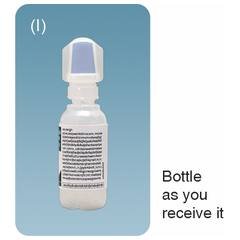
Medicine information on IMCURE is provided for educational purposes and is not a substitute for diagnosis, prescription or medical advice. Always follow your doctor’s or pharmacist’s instructions. Real product image from the U.S. National Library of Medicine's DailyMed listing for Dorzolamide And Timolol (Dorzolamide Hydrochloride And Timolol Maleate Ophthalmic Solution. Packaging varies by brand and manufacturer.