
Glyburide
DESCRIPTION Glyburide tablets, USP contain a smaller particle size glyburide, which is an oral blood-glucose-lowering drug of the sulfonylurea class. Glyburide is a white, crystalline compound, formulated as glyburide tablets, USP of 1.25, 2.5, and 5 mg strengths for oral administration. Inactive ingredients: lactose monohydrate, microcrystalline cellulose, magnesium stearate. In addition, the 2.5 mg contains FD&C Red No.40 and the 5 mg contains FD&C Blue No.1. The chemical name for glyburide is 1-[[p-[2-(5-chloro-o-anisamido)-ethyl]phenyl]-sulfonyl]-3-cyclohexylurea and the molecular weight is 493.99. The structural formula is represented below.
Information page. Not necessarily available for purchase.
What is Glyburide?
DESCRIPTION Glyburide tablets, USP contain a smaller particle size glyburide, which is an oral blood-glucose-lowering drug of the sulfonylurea class. Glyburide is a white, crystalline compound, formulated as glyburide tablets, USP of 1.25, 2.5, and 5 mg strengths for oral administration. Inactive ingredients: lactose monohydrate, microcrystalline cellulose, magnesium stearate. In addition, the 2.5 mg contains FD&C Red No.40 and the 5 mg contains FD&C Blue No.1. The chemical name for glyburide is 1-[[p-[2-(5-chloro-o-anisamido)-ethyl]phenyl]-sulfonyl]-3-cyclohexylurea and the molecular weight is 493.99. The structural formula is represented below.
Uses of Glyburide
Established uses
- INDICATIONS AND USAGE Glyburide tablets, USP is indicated as an adjunct to diet and exercise to improve glycemic control in adults with type 2 diabetes mellitus.
How to take Glyburide
DOSAGE AND ADMINISTRATION Patients should be retitrated when transferred from glyburide tablets or other oral hypoglycemic agents. There is no fixed dosage regimen for the management of diabetes mellitus with glyburide tablets. In addition to the usual monitoring of urinary glucose, the patient's blood glucose must also be monitored periodically to determine the minimum effective dose for the patient; to detect primary failure, ie , inadequate lowering of blood glucose at the maximum recommended dose of medication; and to detect secondary failure, ie , loss of adequate blood glucose lowering response after an initial period of effectiveness. Glycosylated hemoglobin levels may also be of value in monitoring the patient's response to therapy. Short-term administration of glyburide tablets may be sufficient during periods of transient loss of control in patients usually controlled well on diet. Usual Starting Dose The usual starting dose of glyburide tablets is 2.5 to 5 mg daily, administered with breakfast or the first main meal. Those patients who may be more sensitive to hypoglycemic drugs should be started at 1.25 mg daily. (See PRECAUTIONS section for patients at increased risk.)
Dosage
Follow the dose prescribed by your doctor or pharmacist. The ranges below are general information, not a personal prescription.
- Adults
- DOSAGE AND ADMINISTRATION Patients should be retitrated when transferred from glyburide tablets or other oral hypoglycemic agents. There is no fixed dosage regimen for the management of diabetes mellitus with glyburide tablets. In addition to the usual monitoring of urinary glucose, the patient's blood glucose must also be monitored periodically to determine the minimum effective dose for the patient; to detect primary failure, ie , inadequate lowering of blood glucose at the maximum recommended dose of medication; and to detect secondary failure, ie , loss of adequate blood glucose lowering response after an initial period of effectiveness. Glycosylated hemoglobin levels may also be of value in monitoring the patient's response to therapy. Short-term administration of glyburide tablets may be sufficient during periods of transient loss of control in patients usually controlled well on diet. Usual Starting Dose The usual starting dose of glyburide tablets is 2.5 to 5 mg daily, administered with breakfast or the first main meal. Those patients who may be more sensitive to hypoglycemic drugs should be started at 1.25 mg daily. (See PRECAUTIONS section for patients at increased risk.)
Side effects of Glyburide
Common
- ADVERSE REACTIONS Hypoglycemia: See Precautions and Overdosage Sections.
- Gastrointestinal Reactions: Cholestatic jaundice and hepatitis may occur rarely which may progress to liver failure;
- glyburide tablets should be discontinued if this occurs.
- Liver function abnormalities, including isolated transaminase elevations, have been reported.
- Gastrointestinal disturbances, eg , nausea, epigastric fullness, and heartburn are the most common reactions, having occurred in 1.8% of treated patients during clinical trials.
- They tend to be dose related and may disappear when dosage is reduced.
Warnings and who should not take it
Who should NOT take Glyburide?
- CONTRAINDICATIONS Glyburide tablets are contraindicated in patients with: Known hypersensitivity or allergy to the drug.
- Diabetic ketoacidosis, with or without coma.
- This condition should be treated with insulin.
- Type I diabetes mellitus.
- Concomitant administration of bosentan.
- SPECIAL WARNING ON INCREASED RISK OF CARDIOVASCULAR MORTALITY The administration of oral hypoglycemic drugs has been reported to be associated with increased cardiovascular mortality as compared to treatment with diet alone or diet plus insulin.
Overdose
OVERDOSAGE Overdosage of sulfonylureas, including glyburide tablets, can produce hypoglycemia. Mild hypoglycemic symptoms, without loss of consciousness or neurological findings, should be treated aggressively with oral glucose and adjustments in drug dosage and/or meal patterns. Close monitoring should continue until the physician is assured that the patient is out of danger. Severe hypoglycemic reactions with coma, seizure, or other neurological impairment occur infrequently, but constitute medical emergencies requiring immediate hospitalization. If hypoglycemic coma is diagnosed or suspected, the patient should be given a rapid intravenous injection of concentrated (50%) glucose solution. This should be followed by a continuous infusion of a more dilute (10%) glucose solution at a rate which will maintain the blood glucose at a level above 100 mg/dL. Patients should be closely monitored for a minimum of 24 to 48 hours, since hypoglycemia may recur after apparent clinical recovery.
Frequently asked questions
What is Glyburide used for?
INDICATIONS AND USAGE Glyburide tablets, USP is indicated as an adjunct to diet and exercise to improve glycemic control in adults with type 2 diabetes mellitus..
How should I take Glyburide?
DOSAGE AND ADMINISTRATION Patients should be retitrated when transferred from glyburide tablets or other oral hypoglycemic agents. There is no fixed dosage regimen for the management of diabetes mellitus with glyburide tablets. In addition to the usual monitoring of urinary glucose, the patient's blood glucose must also be monitored periodically to determine the minimum effective dose for the patient; to detect primary failure, ie , inadequate lowering of blood glucose at the maximum recommended dose of medication; and to detect secondary failure, ie , loss of adequate blood glucose lowering response after an initial period of effectiveness. Glycosylated hemoglobin levels may also be of value in monitoring the patient's response to therapy. Short-term administration of glyburide tablets may be sufficient during periods of transient loss of control in patients usually controlled well on diet. Usual Starting Dose The usual starting dose of glyburide tablets is 2.5 to 5 mg daily, administered with breakfast or the first main meal. Those patients who may be more sensitive to hypoglycemic drugs should be started at 1.25 mg daily. (See PRECAUTIONS section for patients at increased risk.)
What are the common side effects?
ADVERSE REACTIONS Hypoglycemia: See Precautions and Overdosage Sections., Gastrointestinal Reactions: Cholestatic jaundice and hepatitis may occur rarely which may progress to liver failure;, glyburide tablets should be discontinued if this occurs., Liver function abnormalities, including isolated transaminase elevations, have been reported., Gastrointestinal disturbances, eg , nausea, epigastric fullness, and heartburn are the most common reactions, having occurred in 1.8% of treated patients during clinical trials., They tend to be dose related and may disappear when dosage is reduced..
Who should not take Glyburide?
CONTRAINDICATIONS Glyburide tablets are contraindicated in patients with: Known hypersensitivity or allergy to the drug.; Diabetic ketoacidosis, with or without coma.; This condition should be treated with insulin.; Type I diabetes mellitus.; Concomitant administration of bosentan.; SPECIAL WARNING ON INCREASED RISK OF CARDIOVASCULAR MORTALITY The administration of oral hypoglycemic drugs has been reported to be associated with increased cardiovascular mortality as compared to treatment with diet alone or diet plus insulin..
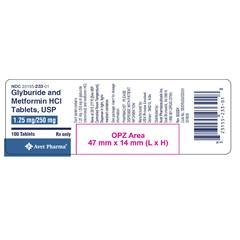
Medicine information on IMCURE is provided for educational purposes and is not a substitute for diagnosis, prescription or medical advice. Always follow your doctor’s or pharmacist’s instructions. Real product image from the U.S. National Library of Medicine's DailyMed listing for Glyburide-Metformin Hydrochloride Tablet. Packaging varies by brand and manufacturer.