
Nitrofurantoin Monohydrate/ Macrocrystalline
DESCRIPTION Nitrofurantoin is an antibacterial agent specific for urinary tract infections. Nitrofurantoin capsules, USP (monohydrate/macrocrystals) is a hard gelatin capsule. Each capsule contains 100 mg of nitrofurantoin in the form of 25 mg of nitrofurantoin macrocrystals and 75 mg of nitrofurantoin monohydrate. The chemical name of nitrofurantoin macrocrystals is 1-[[[5-nitro-2-furanyl]methylene] amino]-2,4-imidazolidinedione. The chemical structure is the following: Molecular Weight: 238.16 The chemical name of nitrofurantoin monohydrate is 1-[[[5-nitro-2-furanyl]methylene] amino]-2,4- imidazolidinedione monohydrate. The chemical structure is the following: Molecular Weight: 256.17 Inactive Ingredients: Each capsule contains carbomer 934P, corn starch, compressible sugar, D&C Yellow No. 10, edible gray ink, FD&C Blue No. 1, FD&C Red No. 40, gelatin, lactose, magnesium stearate, povidone, talc, and titanium dioxide. Meets USP Dissolution Test 8.
Information page. Not necessarily available for purchase.
What is Nitrofurantoin Monohydrate/ Macrocrystalline?
DESCRIPTION Nitrofurantoin is an antibacterial agent specific for urinary tract infections. Nitrofurantoin capsules, USP (monohydrate/macrocrystals) is a hard gelatin capsule. Each capsule contains 100 mg of nitrofurantoin in the form of 25 mg of nitrofurantoin macrocrystals and 75 mg of nitrofurantoin monohydrate. The chemical name of nitrofurantoin macrocrystals is 1-[[[5-nitro-2-furanyl]methylene] amino]-2,4-imidazolidinedione. The chemical structure is the following: Molecular Weight: 238.16 The chemical name of nitrofurantoin monohydrate is 1-[[[5-nitro-2-furanyl]methylene] amino]-2,4- imidazolidinedione monohydrate. The chemical structure is the following: Molecular Weight: 256.17 Inactive Ingredients: Each capsule contains carbomer 934P, corn starch, compressible sugar, D&C Yellow No. 10, edible gray ink, FD&C Blue No. 1, FD&C Red No. 40, gelatin, lactose, magnesium stearate, povidone, talc, and titanium dioxide. Meets USP Dissolution Test 8.
Uses of Nitrofurantoin Monohydrate/ Macrocrystalline
Established uses
- INDICATIONS AND USAGE Nitrofurantoin capsules (monohydrate/macrocrystals) are indicated only for the treatment of acute uncomplicated urinary tract infections (acute cystitis) caused by susceptible strains of Escherichia coli or Staphylococcus saprophyticus .
- Nitrofurantoin is not indicated for the treatment of pyelonephritis or perinephric abscesses.
- To reduce the development of drug-resistant bacteria and maintain the effectiveness of nitrofurantoin capsules (monohydrate/macrocrystals) and other antibacterial drugs, nitrofurantoin capsules (monohydrate/macrocrystals) should be used only to treat or prevent infections that are proven or strongly suspected to be caused by susceptible bacteria.
- When culture and susceptibility information are available, they should be considered in selecting or modifying antibacterial therapy.
- In the absence of such data, local epidemiology and susceptibility patterns may contribute to the empiric selection of therapy.
- Nitrofurantoins lack the broader tissue distribution of other therapeutic agents approved for urinary tract infections.
How Nitrofurantoin Monohydrate/ Macrocrystalline works
In more detail: Mechanism of Action The mechanism of the antimicrobial action of nitrofurantoin is unusual among antibacterials. Nitrofurantoin is reduced by bacterial flavoproteins to reactive intermediates which inactivate or alter bacterial ribosomal proteins and other macromolecules. As a result of such inactivations, the vital biochemical processes of protein synthesis, aerobic energy metabolism, DNA synthesis, RNA synthesis, and cell wall synthesis are inhibited. Nitrofurantoin is bactericidal in urine at therapeutic doses. The broad-based nature of this mode of action may explain the lack of acquired bacterial resistance to nitrofurantoin, as the necessary multiple and simultaneous mutations of the target macromolecules would likely be lethal to the bacteria.
How to take Nitrofurantoin Monohydrate/ Macrocrystalline
DOSAGE AND ADMINISTRATION Nitrofurantoin capsules (monohydrate/macrocrystals) should be taken with food. Adults and Pediatric Patients Over 12 Years : One 100 mg capsule every 12 hours for seven days.
Dosage
Follow the dose prescribed by your doctor or pharmacist. The ranges below are general information, not a personal prescription.
- Adults
- DOSAGE AND ADMINISTRATION Nitrofurantoin capsules (monohydrate/macrocrystals) should be taken with food. Adults and Pediatric Patients Over 12 Years : One 100 mg capsule every 12 hours for seven days.
Side effects of Nitrofurantoin Monohydrate/ Macrocrystalline
Common
- ADVERSE REACTIONS In clinical trials of nitrofurantoin capsules (monohydrate/macrocrystals), the most frequent clinical adverse events that were reported as possibly or probably drug-related were nausea (8%), headache (6%), and flatulence (1.5%).
- Additional clinical adverse events reported as possibly or probably drug-related occurred in less than 1% of patients studied and are listed below within each body system in order of decreasing frequency: Gastrointestinal : Diarrhea, dyspepsia, abdominal pain, constipation, emesis Neurologic : Dizziness, drowsiness, amblyopia Respiratory: Acute pulmonary hypersensitivity reaction (see WARNINGS ) Allergic: Pruritus, urticaria Dermatologic : Alopecia Miscellaneous : Fever, chills, malaise The following additional clinical adverse events have been reported with the use of nitrofurantoin: Gastrointestinal: Sialadenitis, pancreatitis.
- There have been sporadic reports of pseudomembranous colitis with the use of nitrofurantoin.
- The onset of pseudomembranous colitis symptoms may occur during or after antimicrobial treatment.
- (See WARNINGS .) Neurologic: Peripheral neuropathy, which may become severe or irreversible, has occurred.
- Fatalities have b
Warnings and who should not take it
Who should NOT take Nitrofurantoin Monohydrate/ Macrocrystalline?
- CONTRAINDICATIONS Anuria, oliguria, or significant impairment of renal function (creatinine clearance under 60 mL per minute or clinically significant elevated serum creatinine) are contraindications.
- Treatment of this type of patient carries an increased risk of toxicity because of impaired excretion of the drug.
- Because of the possibility of hemolytic anemia due to immature erythrocyte enzyme systems (glutathione instability), the drug is contraindicated in pregnant patients at term (38 to 42 weeks gestation), during labor and delivery, or when the onset of labor is imminent.
- For the same reason, the drug is contraindicated in neonates under one month of age.
- Nitrofurantoin capsules (monohydrate/macrocrystals) are contraindicated in patients with a previous history of cholestatic jaundice/hepatic dysfunction associated with nitrofurantoin.
- Nitrofurantoin capsules (monohydrate/macrocrystals) are also contraindicated in those patients with known hypersensitivity to nitrofurantoin.
Warnings and precautions
- WARNINGS Pulmonary reactions: ACUTE, SUBACUTE, OR CHRONIC PULMONARY REACTIONS HAVE BEEN OBSERVED IN PATIENTS TREATED WITH NITROFURANTOIN.
- IF THESE REACTIONS OCCUR, NITROFURANTOIN CAPSULES (MONOHYDRATE/MACROCRYSTALS) SHOULD BE DISCONTINUED AND APPROPRIATE MEASURES TAKEN.
- REPORTS HAVE CITED PULMONARY REACTIONS AS A CONTRIBUTING CAUSE OF DEATH.
- CHRONIC PULMONARY REACTIONS (DIFFUSE INTERSTITIAL PNEUMONITIS OR PULMONARY FIBROSIS, OR BOTH) CAN DEVELOP INSIDIOUSLY.
- THESE REACTIONS OCCUR RARELY AND GENERALLY IN PATIENTS RECEIVING THERAPY FOR SIX MONTHS OR LONGER.
- CLOSE MONITORING OF THE PULMONARY CONDITION OF PATIENTS RECEIVING LONG-TERM THERAPY IS WARRANTED AND REQUIRES THAT THE BENEFITS OF THERAPY BE WEIGHED AGAINST POTENTIAL RISKS.
Overdose
OVERDOSAGE Occasional incidents of acute overdosage of nitrofurantoin have not resulted in any specific symptoms other than vomiting. Induction of emesis is recommended. There is no specific antidote, but a high fluid intake should be maintained to promote urinary excretion of the drug. Nitrofurantoin is dialyzable.
Safety at a glance
Pregnancy Teratogenic effects Several reproduction studies have been performed in rabbits and rats at doses up to six times the human dose and have revealed no evidence of impaired fertility or harm to the fetus due to nitrofurantoin. In a single published study conducted in mice at 68 times the human dose (based on mg/kg administered to the dam), growth retardation and a low incidence of minor and common malformations were observed. However, at 25 times the human dose, fetal malformations were not observed; the relevance of these findings to humans is uncertain. There are, however, no adequate and well-controlled studies in pregnant women. Because animal reproduction studies are not always predictive of human response, this drug should be used during pregnancy only if clearly needed. Non-teratogenic effects Nitrofurantoin has been shown in one published transplacental carcinogenicity study to induce lung papillary adenomas in the F1 generation mice at doses 19 times the human dose on a mg/kg basis. The relationship of this finding to potential human carcinogenesis is presently unknown. Because of the uncertainty regarding the human implications of these animal data, this drug shou
Nursing Mothers Nitrofurantoin has been detected in human breast milk in trace amounts. Because of the potential for serious adverse reactions from nitrofurantoin in nursing infants under one month of age, a decision should be made whether to discontinue nursing or to discontinue the drug, taking into account the importance of the drug to the mother. (See CONTRAINDICATIONS . )
Children and elderly
Children
Pediatric Use Nitrofurantoin capsules (monohydrate/macrocrystals) are contraindicated in infants below the age of one month. (See CONTRAINDICATIONS . ) Safety and effectiveness in pediatric patients below the age of twelve years have not been established.
Elderly
Geriatric Use Clinical studies of nitrofurantoin capsules (monohydrate/macrocrystals) did not include sufficient numbers of subjects aged 65 and over to determine whether they respond differently from younger subjects. Other reported clinical experience has not identified differences in responses between the elderly and younger patients. Spontaneous reports suggest a higher proportion of pulmonary reactions, including fatalities, in elderly patients; these differences appear to be related to the higher proportion of elderly patients receiving long-term nitrofurantoin therapy. As in younger patients, chronic pulmonary reactions generally are observed in patients receiving therapy for six months or longer (see WARNINGS ). Spontaneous reports also suggest an increased proportion of severe hepatic reactions, including fatalities, in elderly patients (see WARNINGS ). In general, the greater frequency of decreased hepatic, renal, or cardiac function, and of concomitant disease or other drug therapy in elderly patients should be considered when prescribing nitrofurantoin capsules (monohydrate/macrocrystals). This drug is known to be substantially excreted by the kidney, and the risk of to
Interactions
Medicine and medicine
- Drug Interactions Antacids containing magnesium trisilicate, when administered concomitantly with nitrofurantoin, reduce both the rate and extent of absorption.
- The mechanism for this interaction probably is adsorption of nitrofurantoin onto the surface of magnesium trisilicate.
- Uricosuric drugs, such as probenecid and sulfinpyrazone, can inhibit renal tubular secretion of nitrofurantoin.
- The resulting increase in nitrofurantoin serum levels may increase toxicity, and the decreased urinary levels could lessen its efficacy as a urinary tract antibacterial.
Frequently asked questions
What is Nitrofurantoin Monohydrate/ Macrocrystalline used for?
INDICATIONS AND USAGE Nitrofurantoin capsules (monohydrate/macrocrystals) are indicated only for the treatment of acute uncomplicated urinary tract infections (acute cystitis) caused by susceptible strains of Escherichia coli or Staphylococcus saprophyticus ., Nitrofurantoin is not indicated for the treatment of pyelonephritis or perinephric abscesses., To reduce the development of drug-resistant bacteria and maintain the effectiveness of nitrofurantoin capsules (monohydrate/macrocrystals) and other antibacterial drugs, nitrofurantoin capsules (monohydrate/macrocrystals) should be used only to treat or prevent infections that are proven or strongly suspected to be caused by susceptible bacteria., When culture and susceptibility information are available, they should be considered in selecting or modifying antibacterial therapy., In the absence of such data, local epidemiology and susceptibility patterns may contribute to the empiric selection of therapy., Nitrofurantoins lack the broader tissue distribution of other therapeutic agents approved for urinary tract infections..
How should I take Nitrofurantoin Monohydrate/ Macrocrystalline?
DOSAGE AND ADMINISTRATION Nitrofurantoin capsules (monohydrate/macrocrystals) should be taken with food. Adults and Pediatric Patients Over 12 Years : One 100 mg capsule every 12 hours for seven days.
What are the common side effects?
ADVERSE REACTIONS In clinical trials of nitrofurantoin capsules (monohydrate/macrocrystals), the most frequent clinical adverse events that were reported as possibly or probably drug-related were nausea (8%), headache (6%), and flatulence (1.5%)., Additional clinical adverse events reported as possibly or probably drug-related occurred in less than 1% of patients studied and are listed below within each body system in order of decreasing frequency: Gastrointestinal : Diarrhea, dyspepsia, abdominal pain, constipation, emesis Neurologic : Dizziness, drowsiness, amblyopia Respiratory: Acute pulmonary hypersensitivity reaction (see WARNINGS ) Allergic: Pruritus, urticaria Dermatologic : Alopecia Miscellaneous : Fever, chills, malaise The following additional clinical adverse events have been reported with the use of nitrofurantoin: Gastrointestinal: Sialadenitis, pancreatitis., There have been sporadic reports of pseudomembranous colitis with the use of nitrofurantoin., The onset of pseudomembranous colitis symptoms may occur during or after antimicrobial treatment., (See WARNINGS .) Neurologic: Peripheral neuropathy, which may become severe or irreversible, has occurred., Fatalities have b.
Who should not take Nitrofurantoin Monohydrate/ Macrocrystalline?
CONTRAINDICATIONS Anuria, oliguria, or significant impairment of renal function (creatinine clearance under 60 mL per minute or clinically significant elevated serum creatinine) are contraindications.; Treatment of this type of patient carries an increased risk of toxicity because of impaired excretion of the drug.; Because of the possibility of hemolytic anemia due to immature erythrocyte enzyme systems (glutathione instability), the drug is contraindicated in pregnant patients at term (38 to 42 weeks gestation), during labor and delivery, or when the onset of labor is imminent.; For the same reason, the drug is contraindicated in neonates under one month of age.; Nitrofurantoin capsules (monohydrate/macrocrystals) are contraindicated in patients with a previous history of cholestatic jaundice/hepatic dysfunction associated with nitrofurantoin.; Nitrofurantoin capsules (monohydrate/macrocrystals) are also contraindicated in those patients with known hypersensitivity to nitrofurantoin..
Can I take Nitrofurantoin Monohydrate/ Macrocrystalline during pregnancy?
Pregnancy Teratogenic effects Several reproduction studies have been performed in rabbits and rats at doses up to six times the human dose and have revealed no evidence of impaired fertility or harm to the fetus due to nitrofurantoin. In a single published study conducted in mice at 68 times the human dose (based on mg/kg administered to the dam), growth retardation and a low incidence of minor and common malformations were observed. However, at 25 times the human dose, fetal malformations were not observed; the relevance of these findings to humans is uncertain. There are, however, no adequate and well-controlled studies in pregnant women. Because animal reproduction studies are not always predictive of human response, this drug should be used during pregnancy only if clearly needed. Non-teratogenic effects Nitrofurantoin has been shown in one published transplacental carcinogenicity study to induce lung papillary adenomas in the F1 generation mice at doses 19 times the human dose on a mg/kg basis. The relationship of this finding to potential human carcinogenesis is presently unknown. Because of the uncertainty regarding the human implications of these animal data, this drug shou
Can I take Nitrofurantoin Monohydrate/ Macrocrystalline while breastfeeding?
Nursing Mothers Nitrofurantoin has been detected in human breast milk in trace amounts. Because of the potential for serious adverse reactions from nitrofurantoin in nursing infants under one month of age, a decision should be made whether to discontinue nursing or to discontinue the drug, taking into account the importance of the drug to the mother. (See CONTRAINDICATIONS . )
Can children take Nitrofurantoin Monohydrate/ Macrocrystalline?
Pediatric Use Nitrofurantoin capsules (monohydrate/macrocrystals) are contraindicated in infants below the age of one month. (See CONTRAINDICATIONS . ) Safety and effectiveness in pediatric patients below the age of twelve years have not been established.
Does Nitrofurantoin Monohydrate/ Macrocrystalline interact with other medicines?
Drug Interactions Antacids containing magnesium trisilicate, when administered concomitantly with nitrofurantoin, reduce both the rate and extent of absorption.; The mechanism for this interaction probably is adsorption of nitrofurantoin onto the surface of magnesium trisilicate.; Uricosuric drugs, such as probenecid and sulfinpyrazone, can inhibit renal tubular secretion of nitrofurantoin.; The resulting increase in nitrofurantoin serum levels may increase toxicity, and the decreased urinary levels could lessen its efficacy as a urinary tract antibacterial..
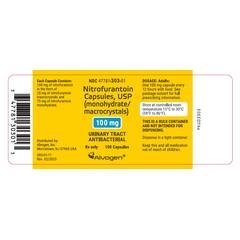
Medicine information on IMCURE is provided for educational purposes and is not a substitute for diagnosis, prescription or medical advice. Always follow your doctor’s or pharmacist’s instructions. Real product image from the U.S. National Library of Medicine's DailyMed listing for Nitrofurantoin Monohydrate/ Macrocrystalline (Nitrofurantoin Monohydrate/Macrocrystalline). Packaging varies by brand and manufacturer.