
Health groups seek regulation of private hospital charges, medicine margins
The Hindu — Health · 5 Oct 2026 · 3 min read
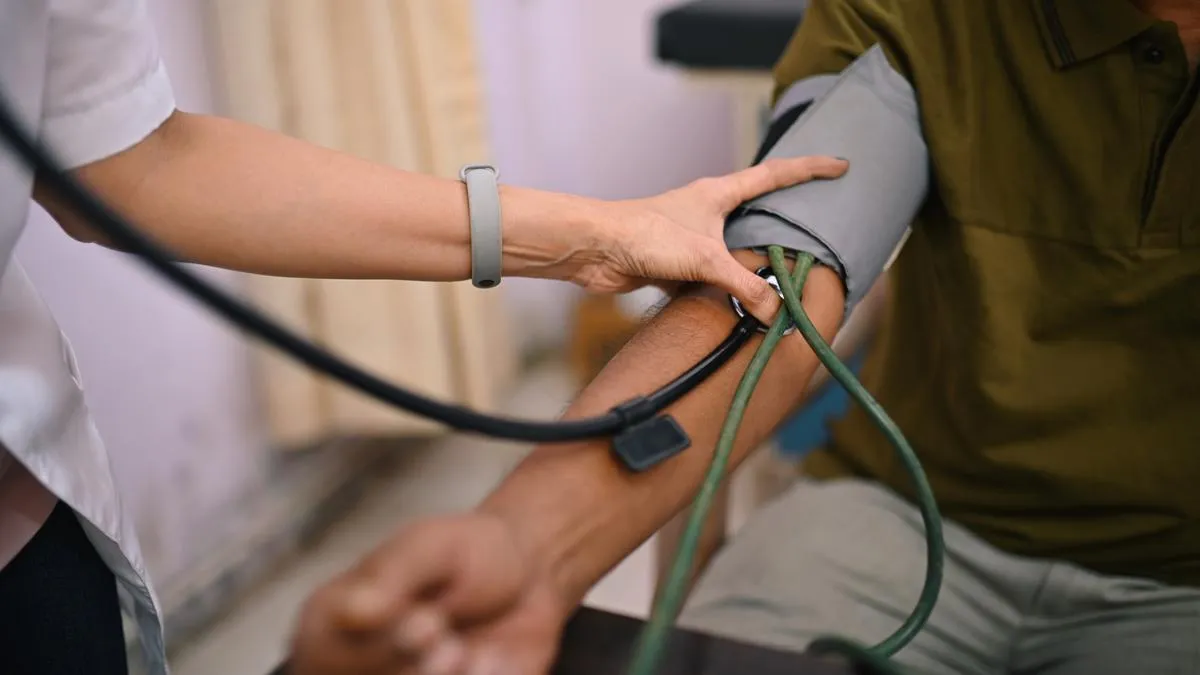
The Jan Swasthya Abhiyan (JSA) and the Working Group on Access to Medicines and Treatment have called for regulation of charges levied by private hospitals and ceilings on trade margins for medicines, medical devices and medical consumables, amid renewed scrutiny by the Supreme Court of pricing practices in hospital pharmacies.
The groups, in a statement issued on Monday (October 5, 2026), said patients continued to face high and arbitrary charges for treatment, medicines and consumables, with limited avenues to challenge hospital bills.
The Supreme Court has recently questioned steep markups on medicines sold through hospital pharmacies and practices that require patients to purchase medicines from hospital-linked pharmacies. The court has also asked the government to examine regulation of trade margins.
Pricing vs determining charge
“The problem extended beyond the pricing of individual medicines to the broader question of how private hospitals determine charges for procedures, services and consumables. Private healthcare has expanded enormously in India, but regulation has simply not kept pace,” said Abhay Shukla, co-convener, JSA. He added that patients often had little bargaining power at healthcare facilities.
The Clinical Establishments (Registration and Regulation) Act, 2010 provides a framework for registration and regulation of clinical establishments and envisages standardisation of services and charges. However, its implementation is not uniform across the country, and several States have their own legislation or regulatory arrangements.
The groups said the absence of a uniform mechanism to regulate hospital charges had left patients vulnerable to hefty bills, particularly for prolonged hospitalisation and procedures involving multiple medicines, devices and consumables.
They are now demanding that the Centre and States introduce ceilings on charges levied by private hospitals for procedures, services and treatment and establish accessible, time-bound mechanisms through which patients can challenge excessive or unjustified bills.
The groups have also called for regulation of trade margins on medicines, medical devices and other medical consumables.
K.M. Gopakumar, co-convener, Working Group on Access to Medicines and Treatment, said that the maximum retail price (MRP) cannot become a licence to charge patients many times the procurement price.
The group has also cited earlier concerns raised by the Competition Commission of India (CCI) regarding margins in pharmaceutical sales and incentives created when hospitals or hospital pharmacies control the products patients are required to purchase.
Financial incentives for doctors
Raising concern over the effect of financial incentives on clinical decision-making, Gayatri Sharma, a community health physician and researcher, said revenue-linked incentives could put pressure on doctors to increase investigations or procedures.
“Doctors should be able to make treatment decisions solely on the basis of what is medically necessary for the patient,” she said, calling for the National Medical Commission (NMC) to examine incentive-linked remuneration practices for doctors.
The group, in its statement, has called for a stronger public healthcare system alongside regulation of private providers, including increased public health spending and strengthening of government hospitals to provide accessible care. The demands include immediate regulation of trade margins on medicines, medical devices and consumables; ceilings on private hospital charges; a competition-law review of potentially anti-competitive practices; and an independent and time-bound grievance redress mechanism for patients.
Related articles
 India · The Hindu — Health · 10 hours ago
The Hindu, Kauvery Hospital to host stroke care webinar on October 28
The webinar will discuss early diagnosis, symptom recognition, and the importance of timely access to specialised care
Read full article India · The Hindu — Health · 10 hours ago
UK approves J&J's oral psoriasis pill
In all four studies, patients who took the drug saw better results after 16 weeks than those given a placebo, the regulator said
Read full article India · The Hindu — Health · 10 hours ago
How peripheral artery disease is treated as leg pain worsens
Treatment for PAD includes medicines, structured exercise and procedures to improve blood flow. Experts advise patients not to push through severe pain during exercise…
Read full article