
Willem Einthoven’s Nobel-winning discovery that laid the foundations of the modern ECG
The Hindu — Health · 7 Nov 2026 · 1 min read

In 1924, Dutch physician and physiologist Willem Einthoven was awarded the Nobel Prize in Physiology or Medicine “for his discovery of the mechanism of the electrocardiogram (ECG)”.
His work made it possible to record the electrical activity of the heart with greater accuracy.
By developing the string galvanometer and establishing a standard method for interpreting its recordings, Einthoven helped turn electrocardiography into an important tool for studying heart function.
Today, the ECG is routinely used to investigate irregular heart rhythms, detect signs of reduced blood supply to the heart muscle and identify evidence of previous heart attacks.
Related articles
 India · The Hindu — Health · 13 hours ago
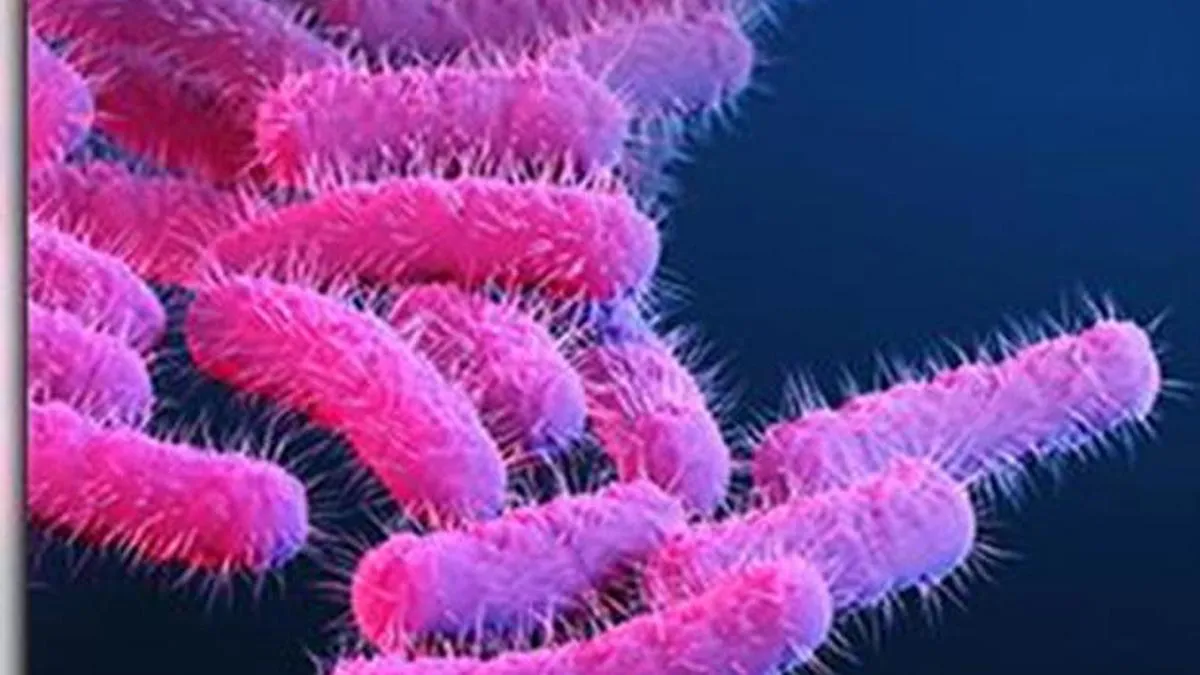
Health officials step up surveillance as Shigella cases rise in Kerala’s Malappuram
Five of the eight Shigella cases reported in Malappuram district are linked to a wedding feast at Korakkuthu in Elamkulam panchayat near Perinthalmanna
Read full article India · The Hindu — Health · 13 hours ago
Air pollution over 66 times WHO limit in parts of Delhi as people defy ban on firecrackers on Deepavali
Data on air pollution missing from several monitoring stations of the Delhi Government at the peak of air pollution during the intervening night of…
Read full article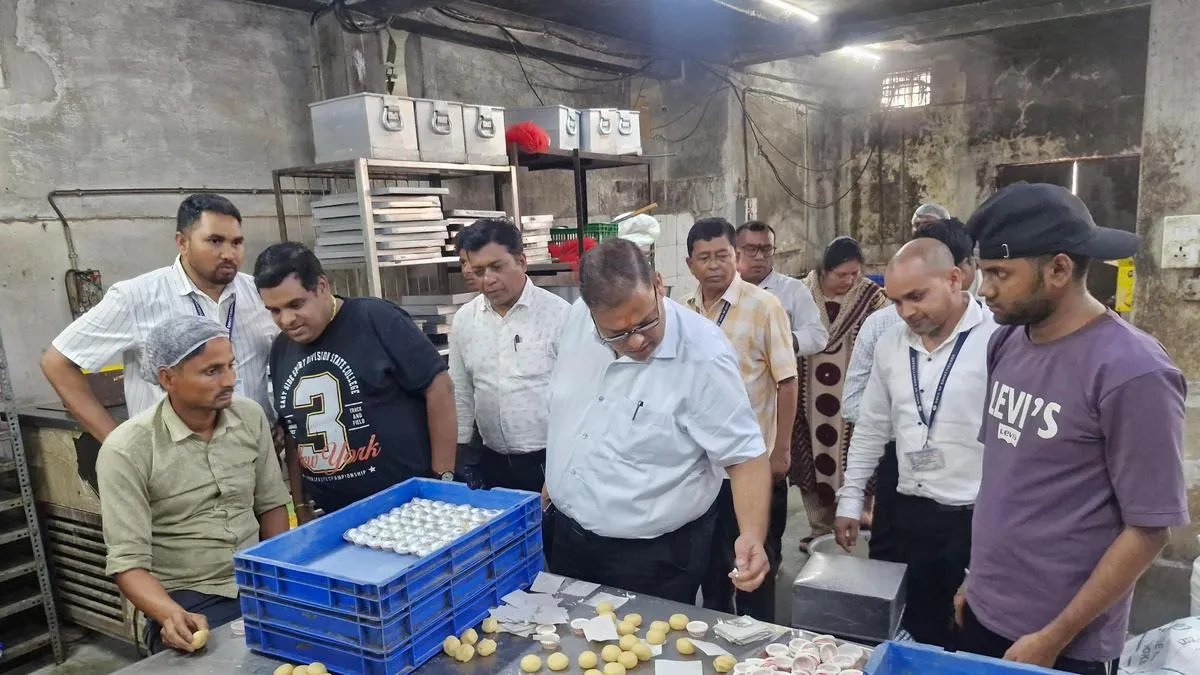 India · The Hindu — Health · 13 hours ago
FSSAI seizes 3,280 tonne food items, cancels 52 licences in nationwide inspection drive
The regulator said it inspected 56,431 food establishments during its nationwide enforcement drive between September 1 and November 5, and seized non-compliant food products,…
Read full article