
Study suggests not all obesity means ill-health
The Hindu — Health · 12 Nov 2026 · 3 min read
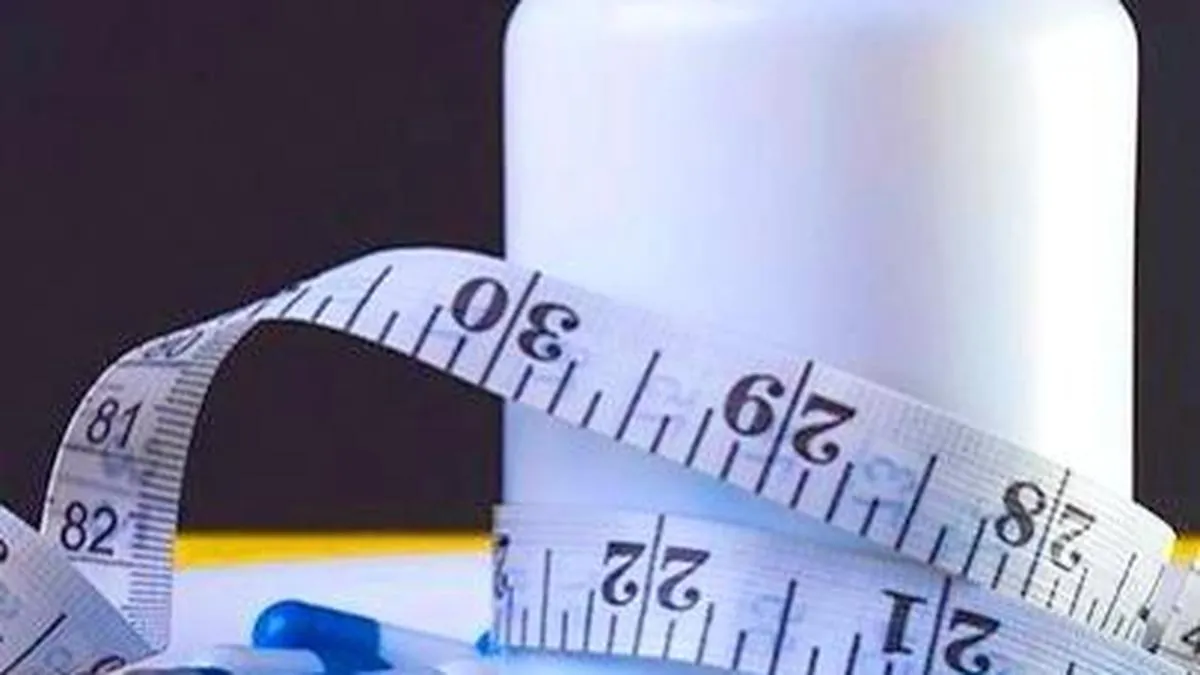
By Jennifer Rigby LONDON, Nov 11 (Reuters) - Only between a quarter and a third of people currently diagnosed with obesity should be considered as in poor health, according to a new study that joins calls to overhaul how the condition is diagnosed.
The study, published in Nature on Wednesday, follows a proposal last year from experts and medical organisations to move obesity diagnosis beyond just body mass index (BMI), based on a person’s weight and height, to include body fat and broader health.
The study attempts to show what this new definition could mean for diagnosis levels, prevalence, and ultimately, treatment, for a condition the World Health Organization currently estimates affects more than one billion people globally.
Obesity can be a risk factor for type 2 diabetes, cardiovascular disease, liver and kidney disease and cancer.
The study suggests defining it as pre-clinical, when the condition is largely a risk factor, and clinical, when it is causing ill health.
Consider abdominal obesity a vital sign in Asian Indians, doctors stress Consider abdominal obesity a vital sign in Asian Indians, doctors stress Asian Indians characteristically develop abdominal obesity despite relatively normal BMI, a phenotype associated with higher insulin resistance, ectopic fat deposition, and earlier onset of metabolic diseases Consider abdominal obesity a vital sign in Asian Indians, doctors stress storyline 1 Waist circumference should be part of diagnosis, study says Using data from almost 850,000 adults from China, Britain, the US and Spain, the study estimates that under the new framework, 1% to 3% of those defined as obese using BMI alone would not be, while another 5% to 9%, with higher body fat for example, would be diagnosed with the condition.
Across a population, this could affect tens of millions of people.
The study’s senior author Francesco Rubino, professor and chair of metabolic and bariatric surgery at King’s College London, said the inaccuracy of BMI measurements was well-known. “But we haven’t so far got a better system,” he said.
That is what the new framework aims to do, he added, saying it could “provide a meaningful clinical characterisation of obesity that can inform care and policy.” The new framework proposes measuring body fat, including by waist circumference, as well as BMI, and considering if a patient has any organ dysfunction linked to weight, like heart or liver problems, before making a diagnosis.
This means some people with high BMI alone would not be classed as having obesity.
Those who have high body fat and high BMI would be diagnosed with “pre-clinical obesity”, and those who also have organ dysfunction would have “clinical obesity” – considered an active disease that would usually require more urgent treatment.
Under these criteria, only on average roughly 27% of people with obesity across the four studied countries have clinical obesity, the study estimated – representing around 8.5% of all adults.
The majority of those with “pre-clinical obesity” – around 82% on average across the four countries studied – did not progress to clinical obesity, although progression rates were higher in China and Spain, the study found. (Reporting by Jennifer Rigby; Editing by Alexandra Hudson) EOM
Related articles
 India · The Hindu — Health · 9 hours ago
Eight-year-old undergoes endoscopic treatment for rare swallowing disorder
The child, diagnosed with Type II achalasia, underwent a minimally invasive procedure at Rela Hospital in Chennai
Read full article India · The Hindu — Health · 10 hours ago
India records 38% drop in TB mortality since 2015: WHO report
World Health Organization’s Global Tuberculosis Report 2026 showed a total of 1.13 million people died from tuberculosis last year
Read full article India · The Hindu — Health · 13 hours ago
A disease rooted in social and economic vulnerability can only be eliminated as underlying systems become stronger: Dhun Davar
Dhun Davar, deputy CEO & chief of programmes, Asian Venture Philanthropy Network spoke to The Hindu about the challenges in the TB elimination programme
Read full article